
Frogs of Borneo

Frogs of Borneo

Frogs of Borneo

Frogs of Borneo

Frogs of Borneo

Frogs of Borneo

Frogs of Borneo

Frogs of Borneo

Frogs of Borneo

Frogs of Borneo

Frogs of Borneo
Bornean Families
Hylarana:
Mahogany Frog
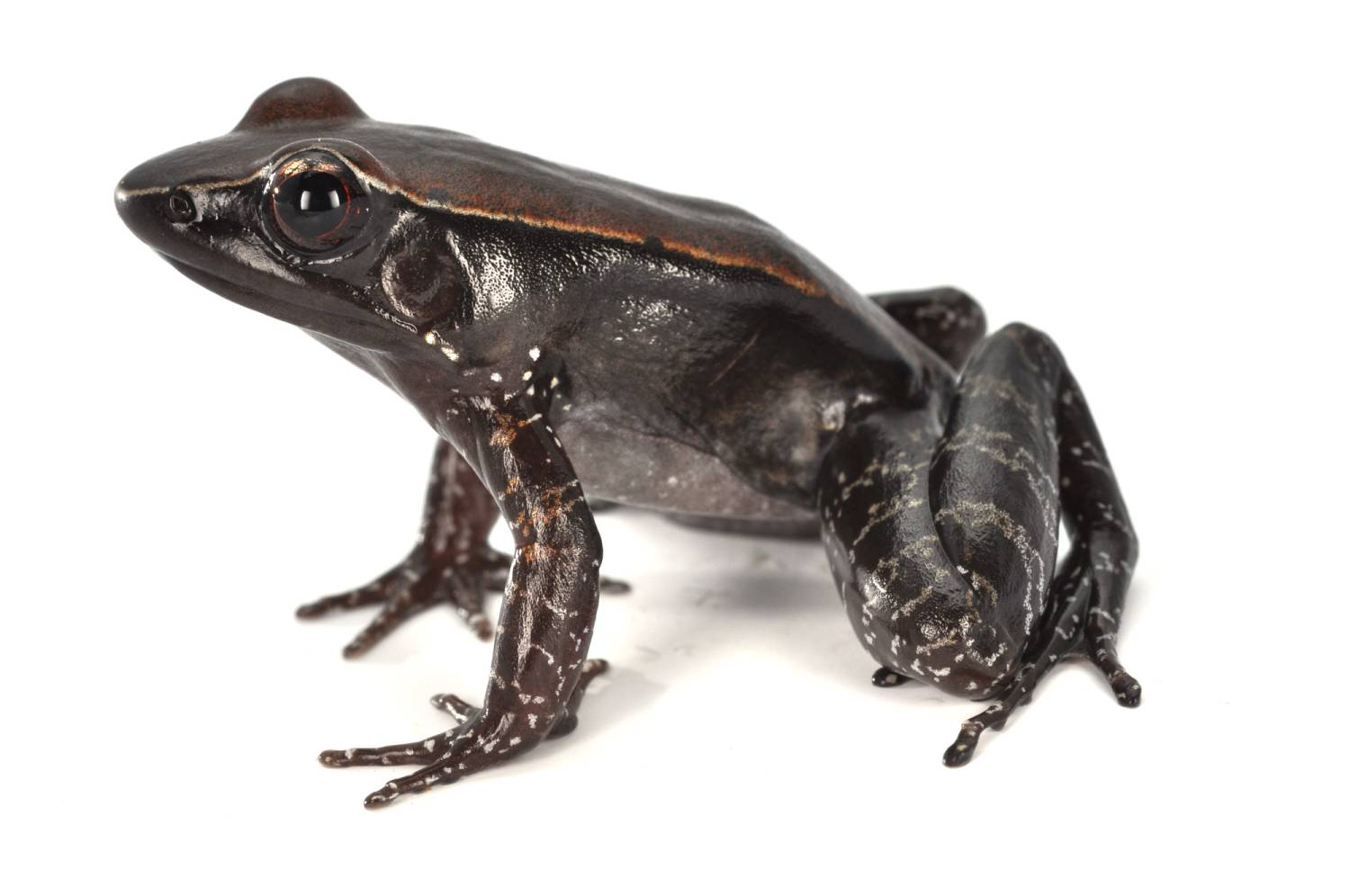
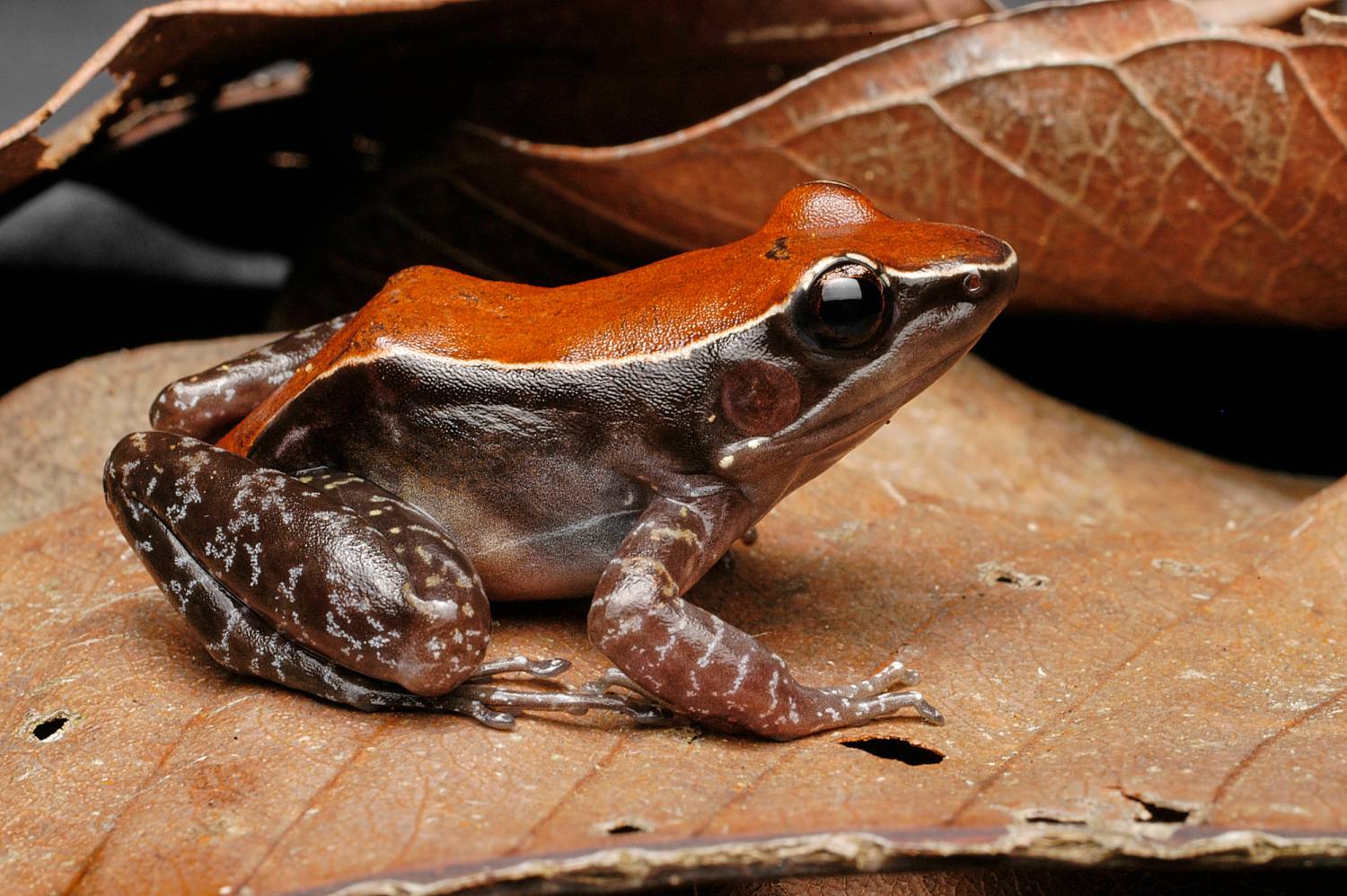
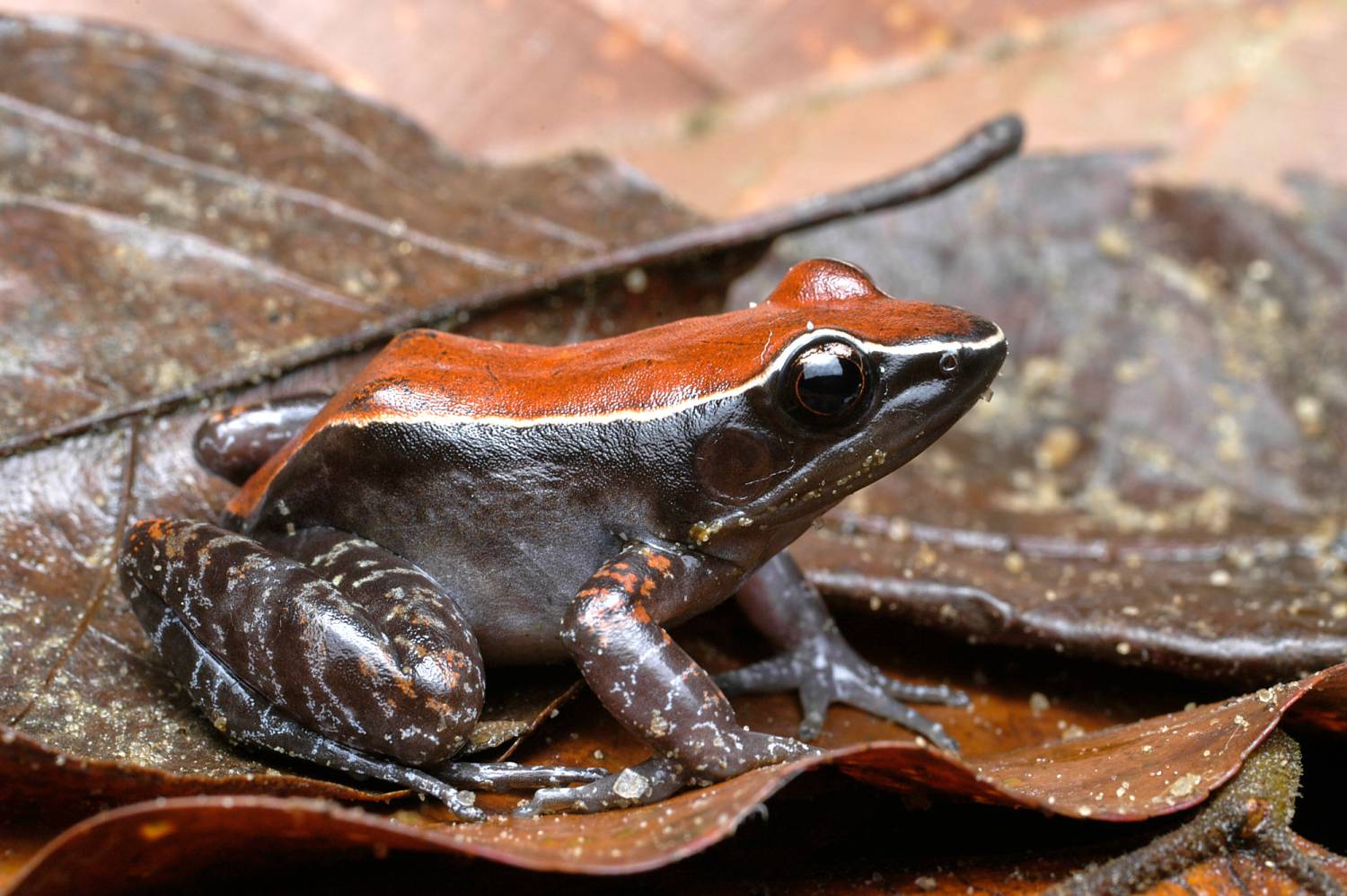
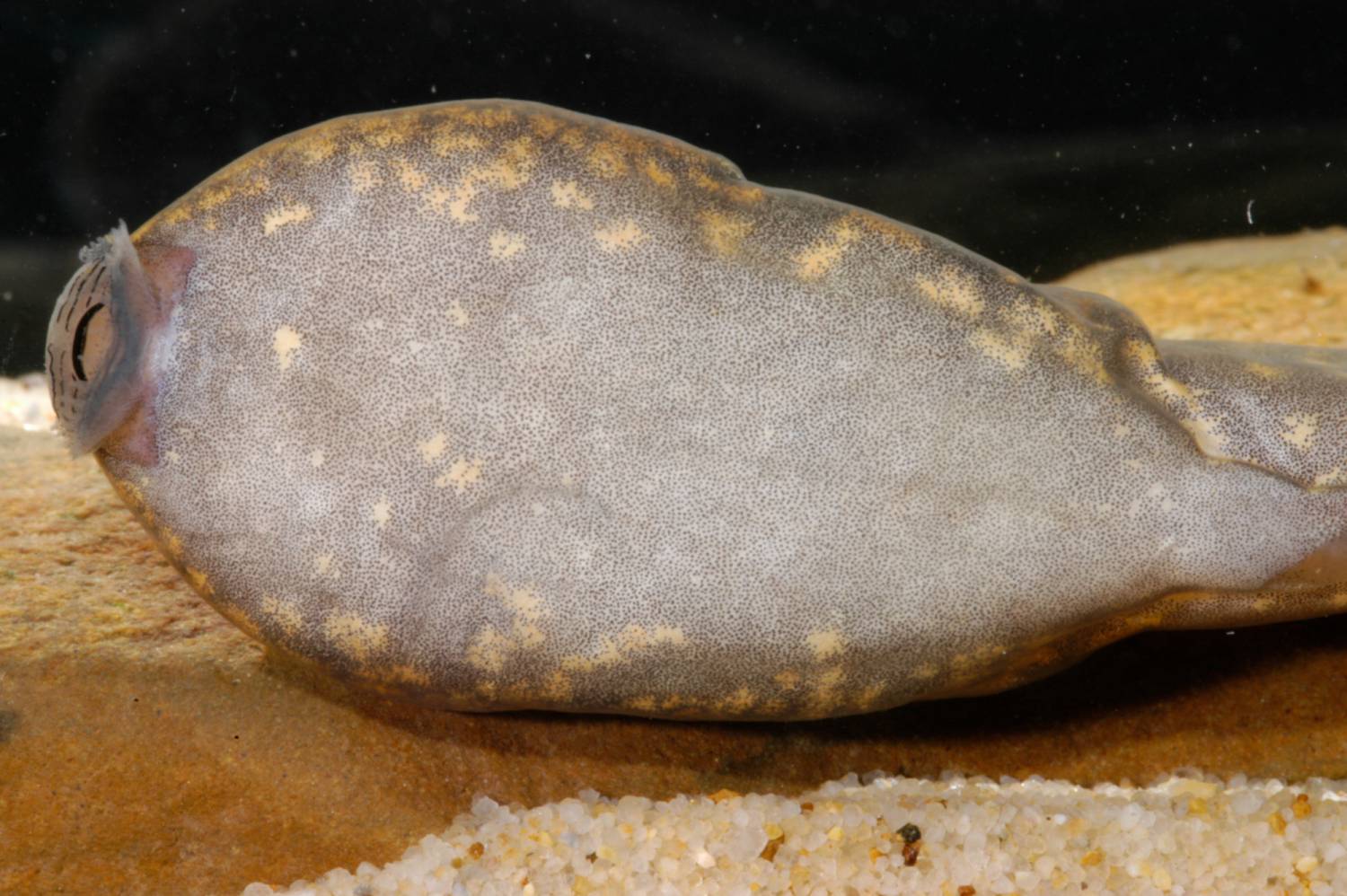
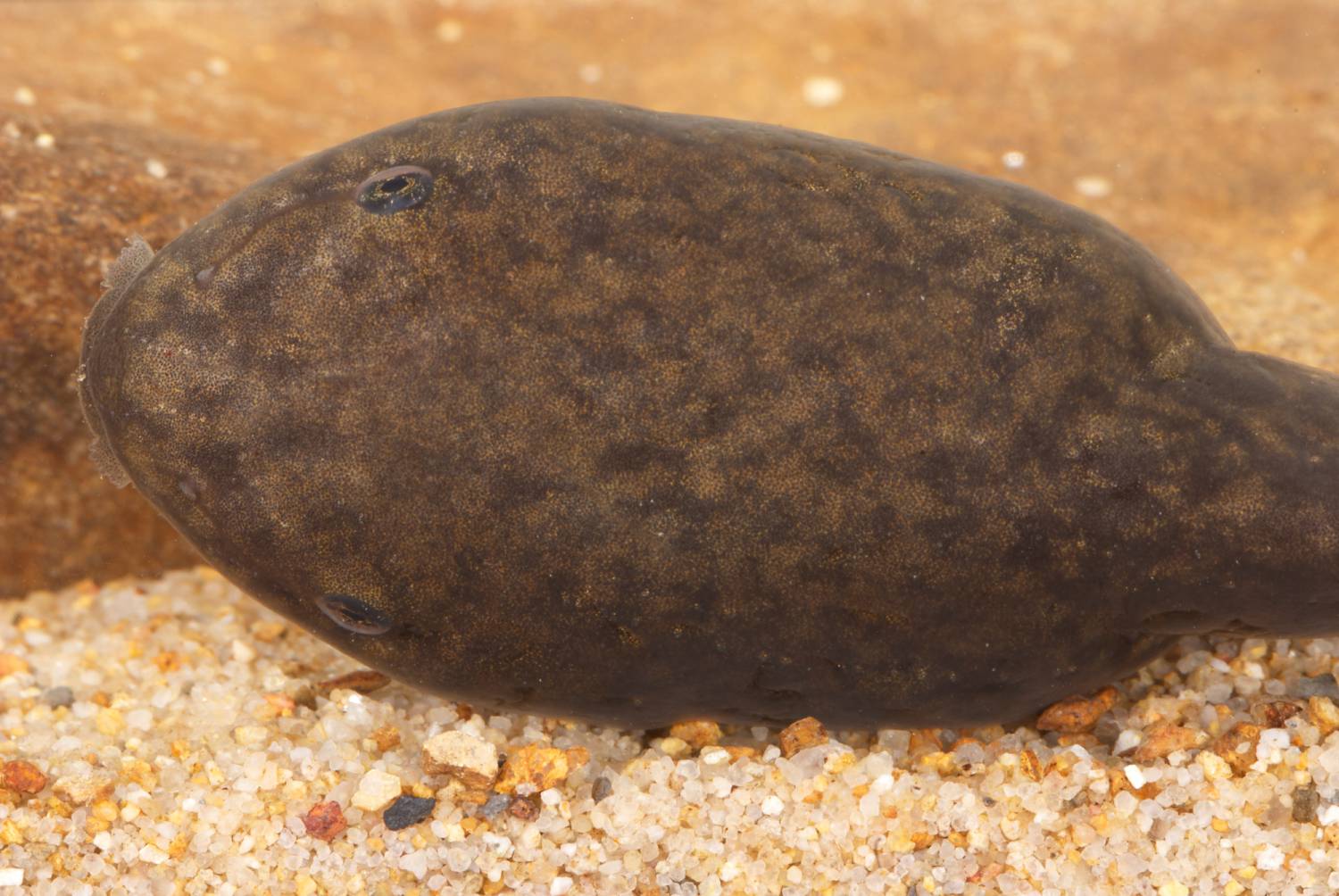
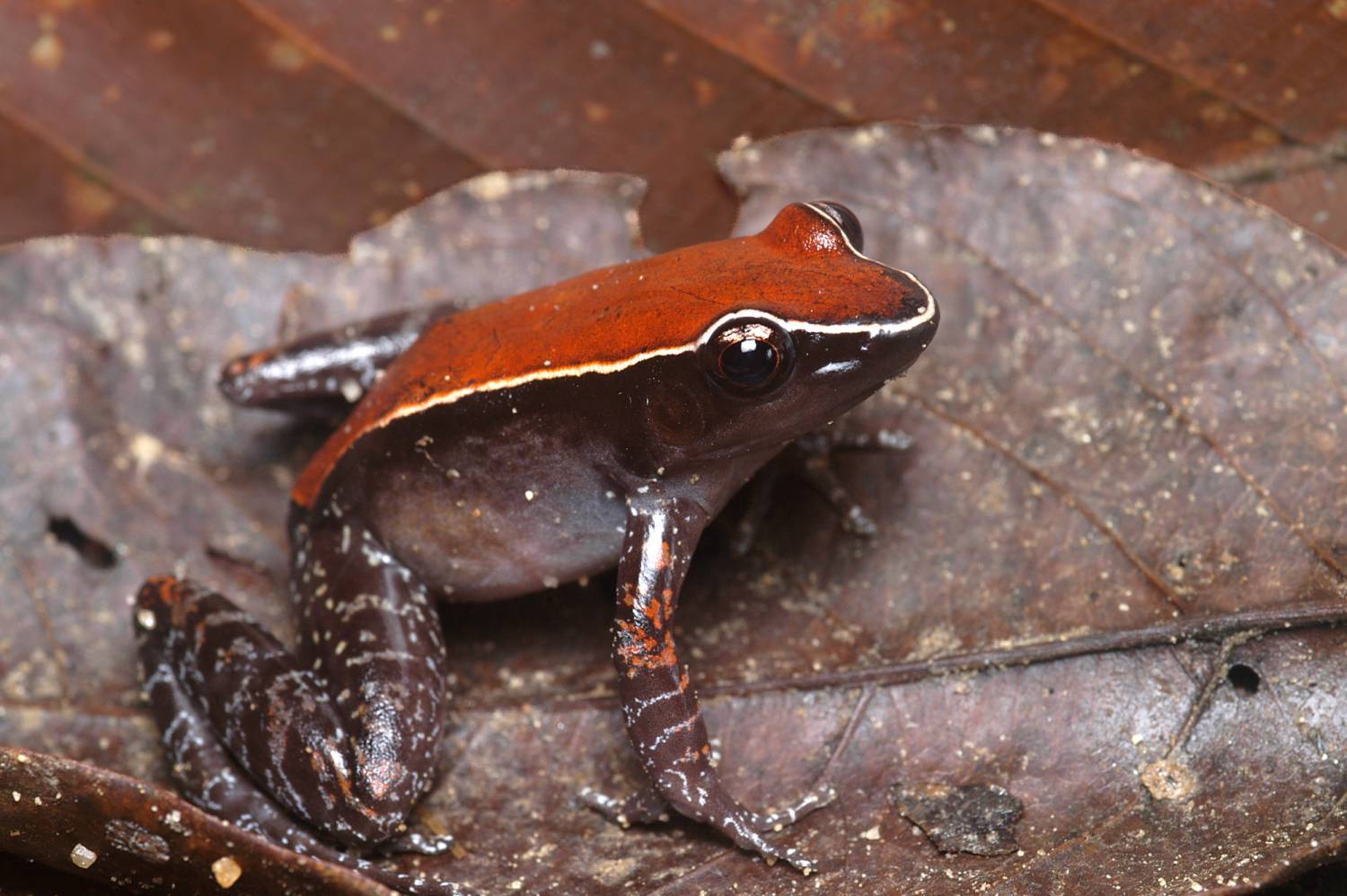
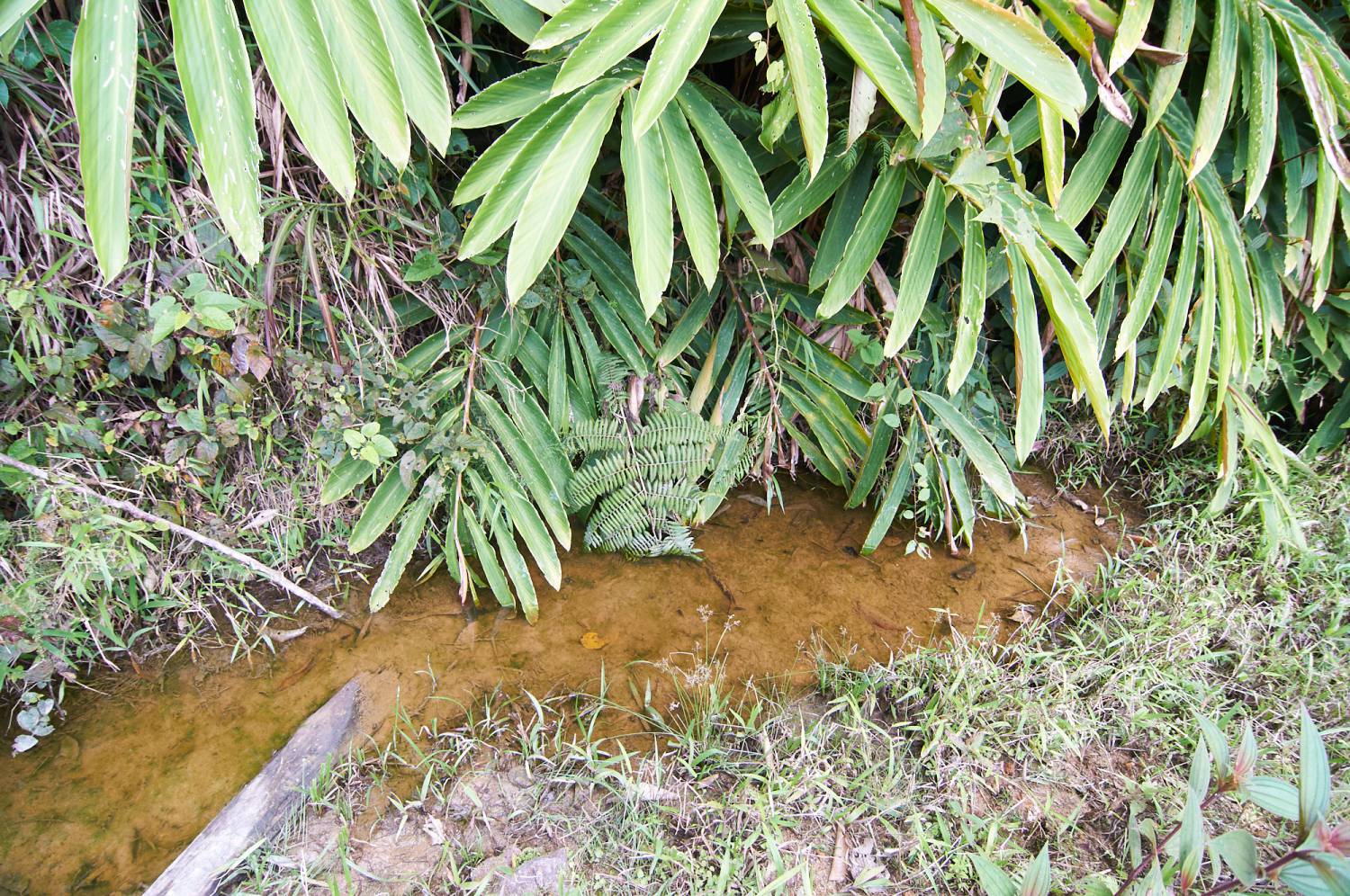
Hylarana (Abavorana) luctuosa is a striking frog that appears vividly colored against a uniform background, yet becomes almost invisible when resting in its preferred microhabitat—the leaf litter. The species was first described from Sarawak and is widely distributed across Borneo, Sumatra, Peninsular Malaysia, and Thailand. It was long considered a single, widespread species until H. decorata was resurrected and recognized as a closely related, partly sympatric species in Borneo. (See the account of H. decorata for further details.) We have encountered H. luctuosa primarily in lowland mixed dipterocarp forest, but also in kerangas patches.
Both males and females reach up to 60 mm in snout–vent length. The snout tapers in both dorsal and lateral views and ends in a narrowly rounded tip. The limbs and digits are moderately long, with the digits terminating in only slightly expanded, spatulate tips. The eardrum is distinct, black, and nearly as large as the eye. The skin is smooth with very fine structures, reminiscent of glossy leather. The pupil is more circular than elliptical.
H. luctuosa is a predominantly black frog with a brown, mahogany, or reddish coloration over the dorsal surfaces of the back, head, and snout. This dorsal coloration is sharply bordered and outlined with a cream streak. The lateral head and flanks are black, gradually lightening toward the ventral region. The upper surfaces of the limbs bear black and bluish-grey banding, although the exact coloration varies among populations. Red speckling is often present on the upper arm and the dorsal surface of the shank. The iris is usually dark, featuring a fine reddish ring around the pupil and a bright silvery sector dorsally.
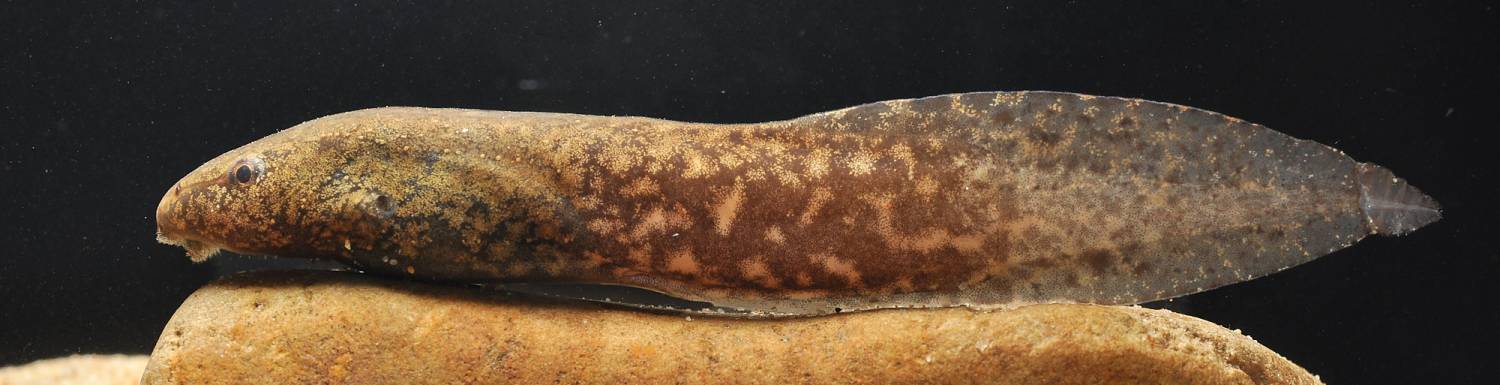
Males call from the edges of forest pools, typically hidden beneath leaf litter or from small cavities in the mud. The species appears to prefer ponds deeper than 30 cm, though it has also been reported from shallower temporary sites such as pig wallows or ditches along dirt roads. Tadpoles have been found in nearly stagnant sections of slow-moving streams or intermittent forest streams. The advertisement call is a single note that rises in frequency. Details of egg deposition remain unknown. The tadpoles grow remarkably large (> 60 mm total length) and are robust swimmers; many show signs of surviving attacks by dragonfly larvae, such as scars or regenerated tail tips.