Zum Hauptinhalt springen

Frogs of Borneo

Frogs of Borneo

Frogs of Borneo

Frogs of Borneo

Frogs of Borneo

Frogs of Borneo

Frogs of Borneo

Frogs of Borneo

Frogs of Borneo

Frogs of Borneo

Frogs of Borneo

Hylarana luctuosa

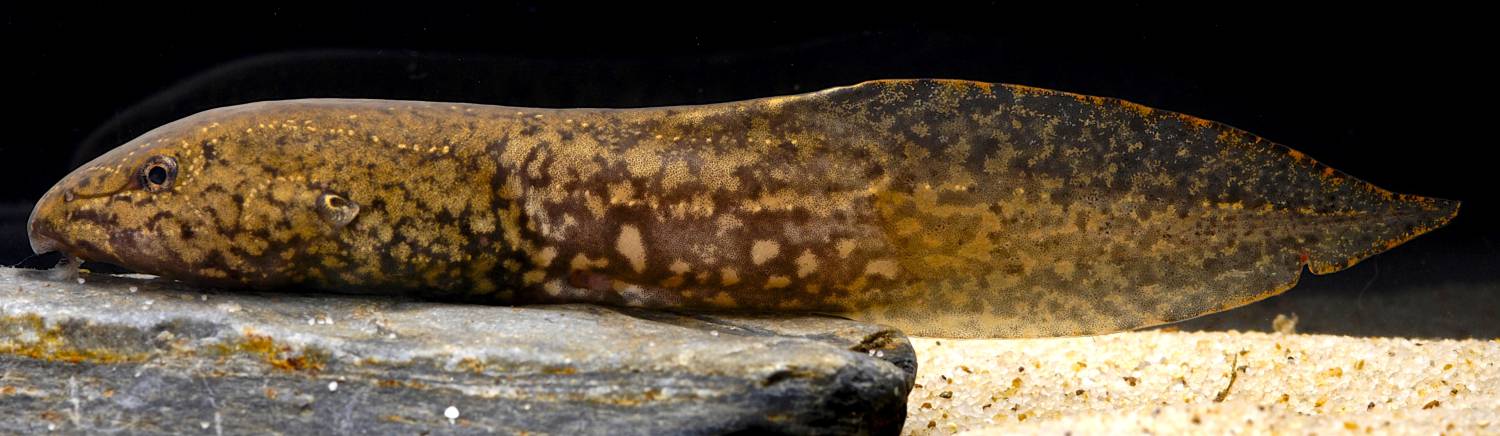
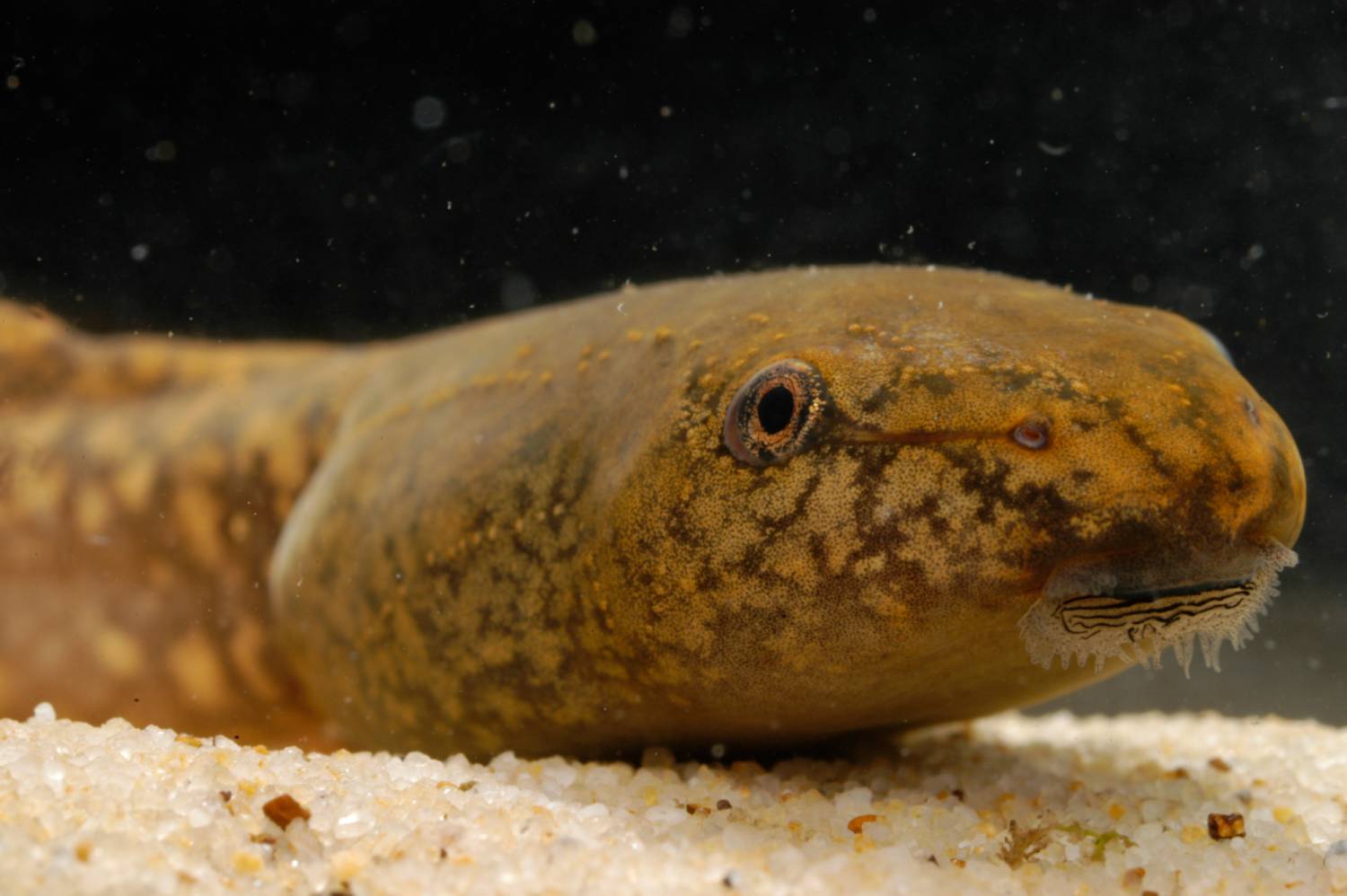
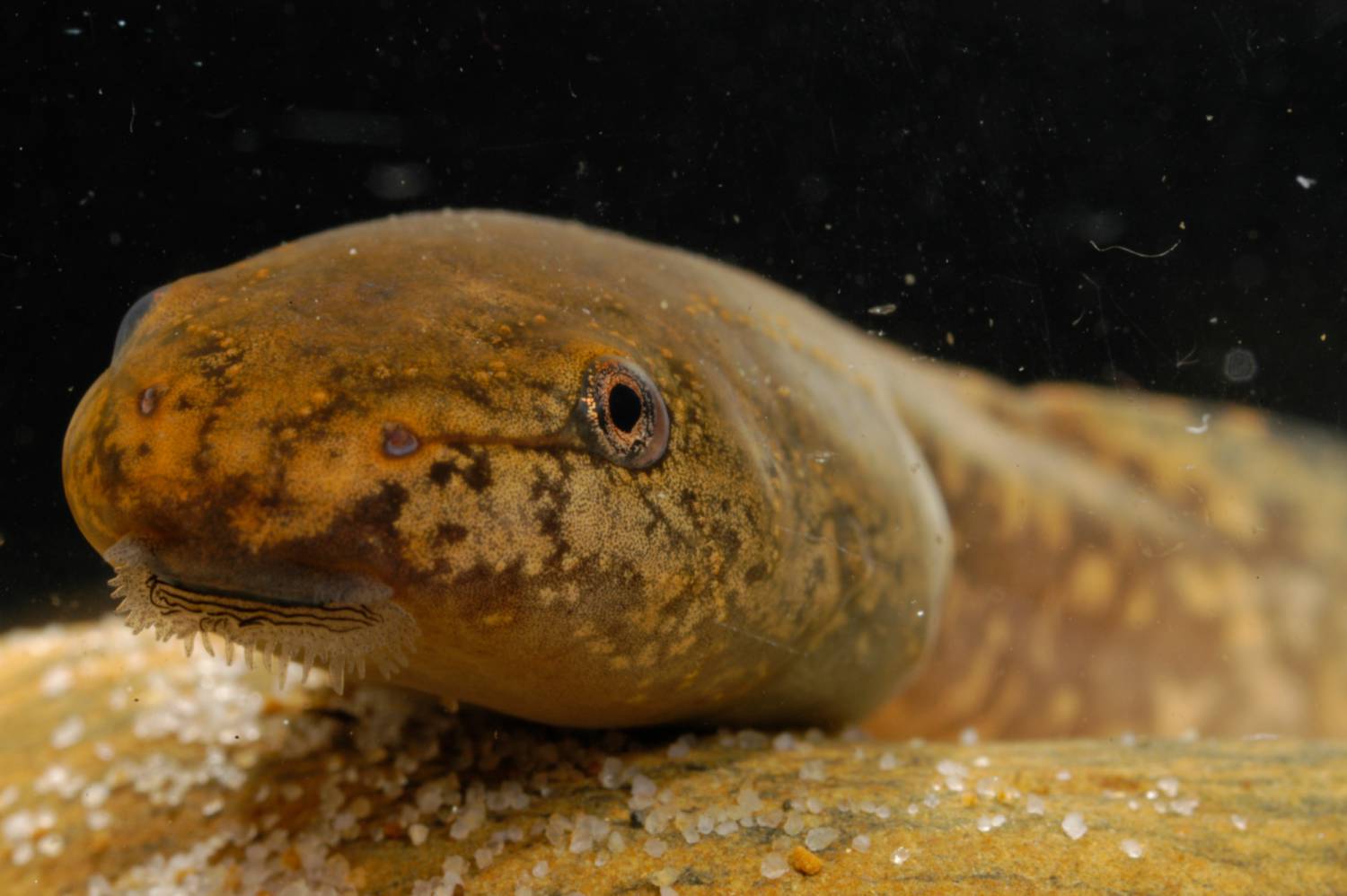
Most H. luctuosa tadpoles inhabit rainforest pools, artificial ponds, and deep ditches along logging roads with soft substrates and abundant leaf litter; water bodies deeper than 30 cm are preferred. Occasionally, tadpoles are also found in deeper sections of small, slow-moving forest streams or intermittent streams. During the day, they hide at the bottom and emerge at night to forage. They periodically rise to the surface to gulp air and quickly return to the bottom.
  • Family:
    Ranidae
  • Genus:
    Hylarana
  • Ecomorph:
    exotrophic
  • Waterbody Type:
    stagnant
  • Water Column:
    bottom|leaf litter
  • Feeding Type:
    feeding, generalist
  • Size:
    70 mm
  • Development:
    larva, tadpole
  • Adult:
    Hylarana

Coloration

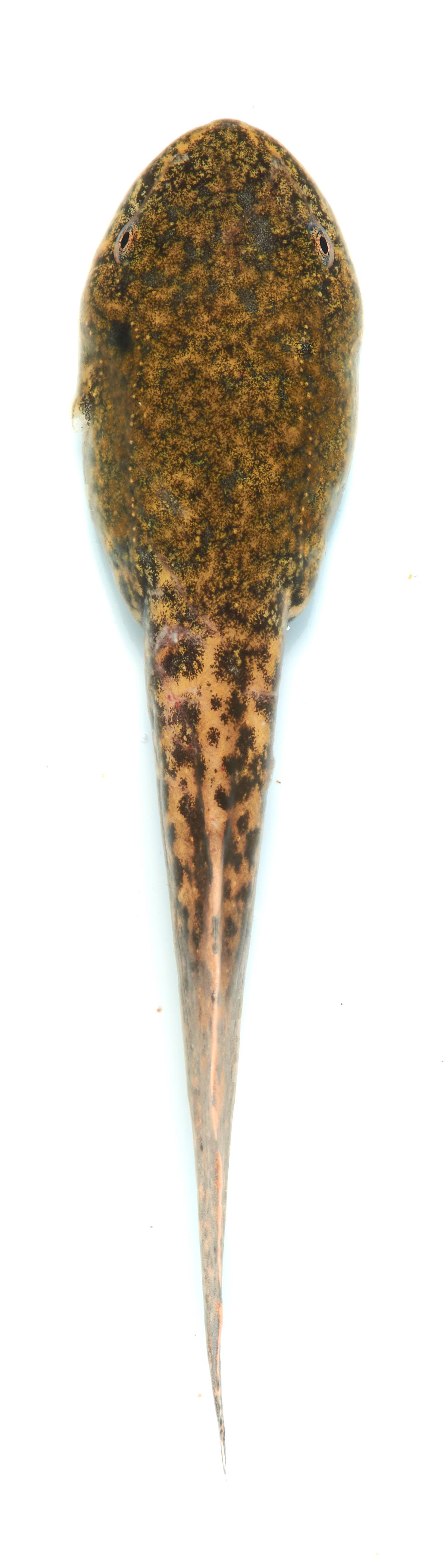
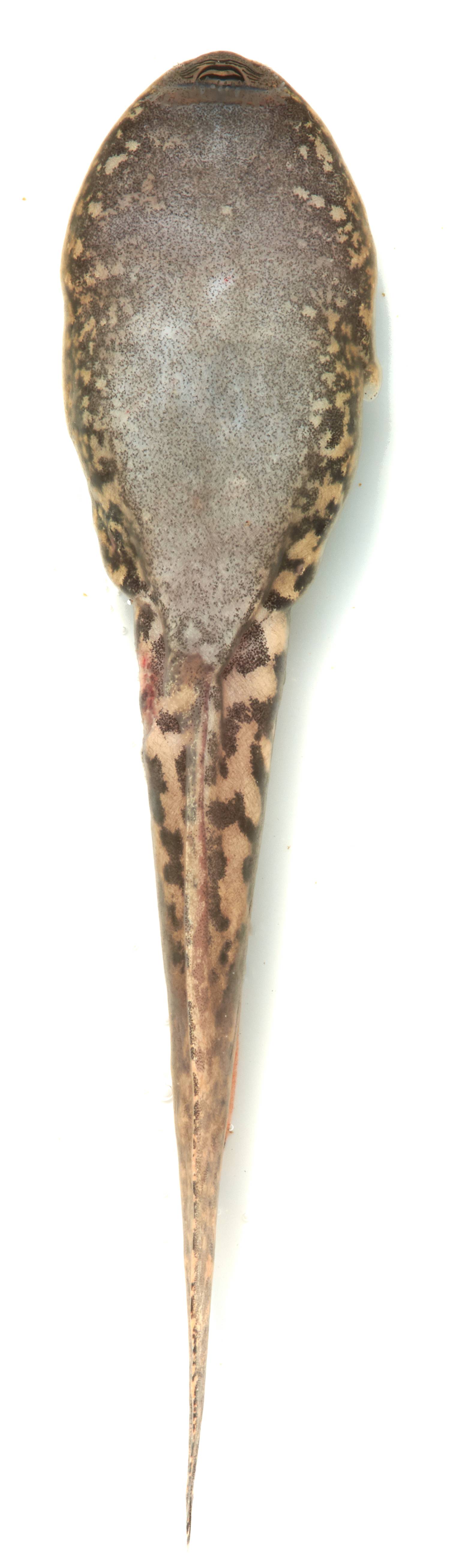
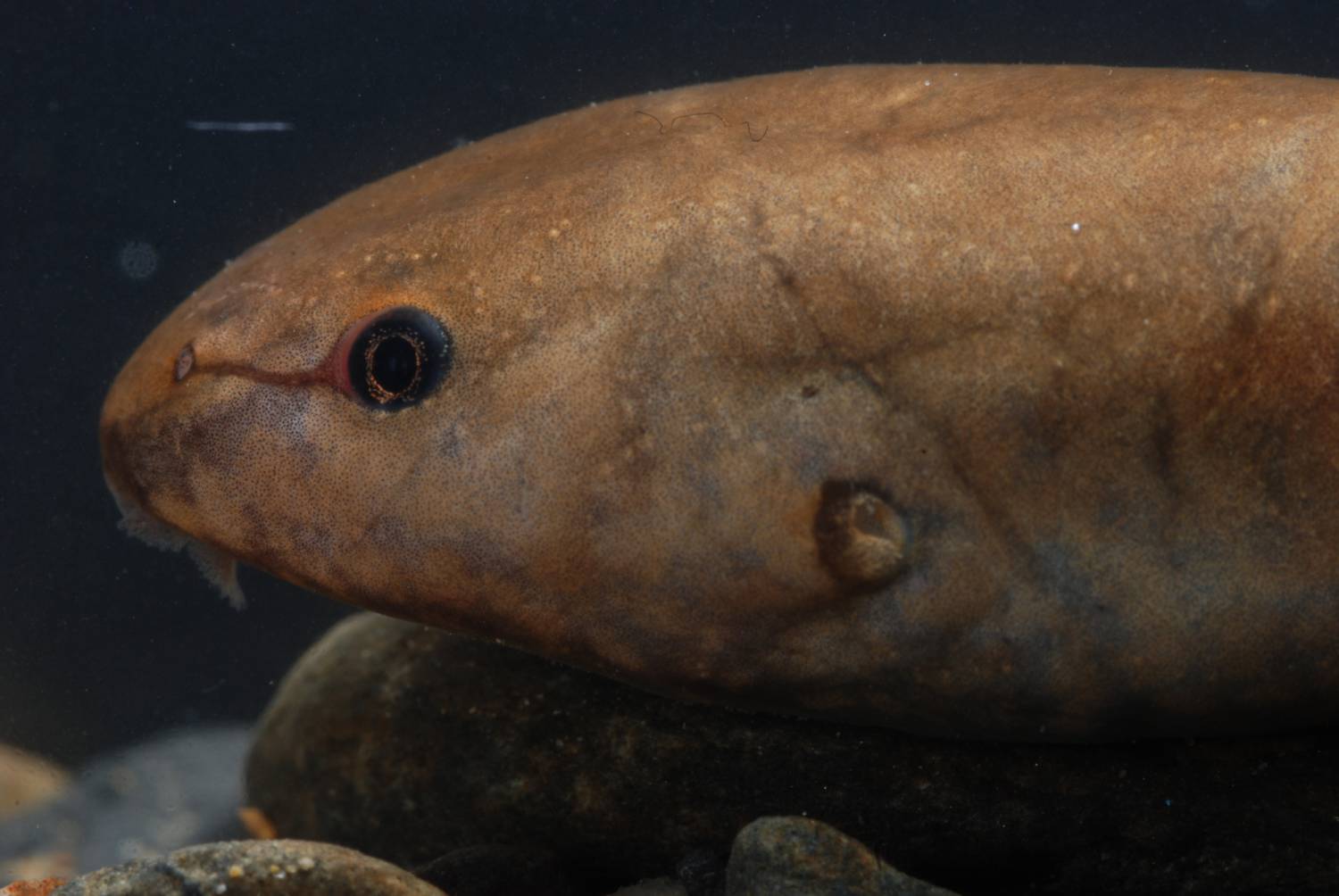
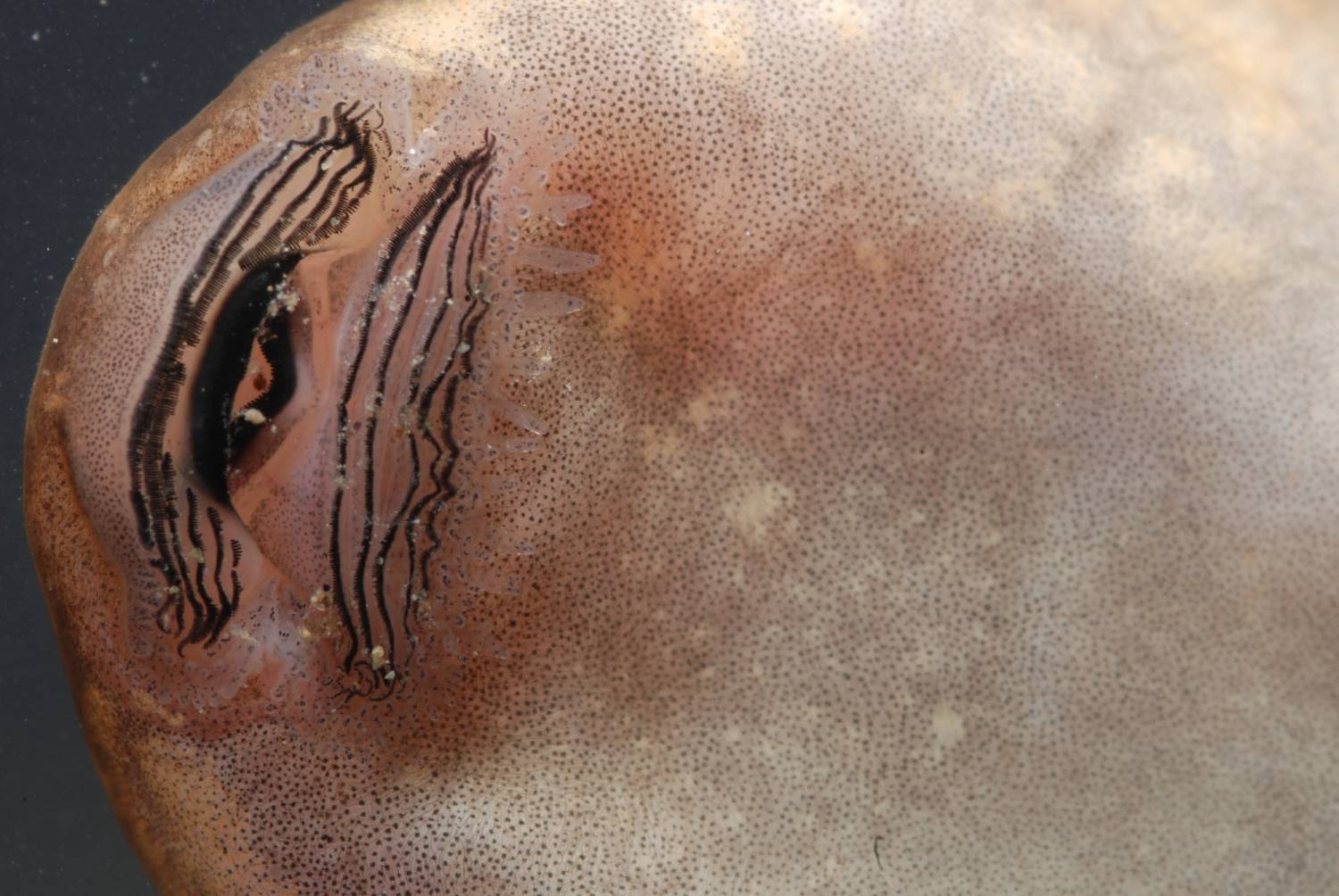
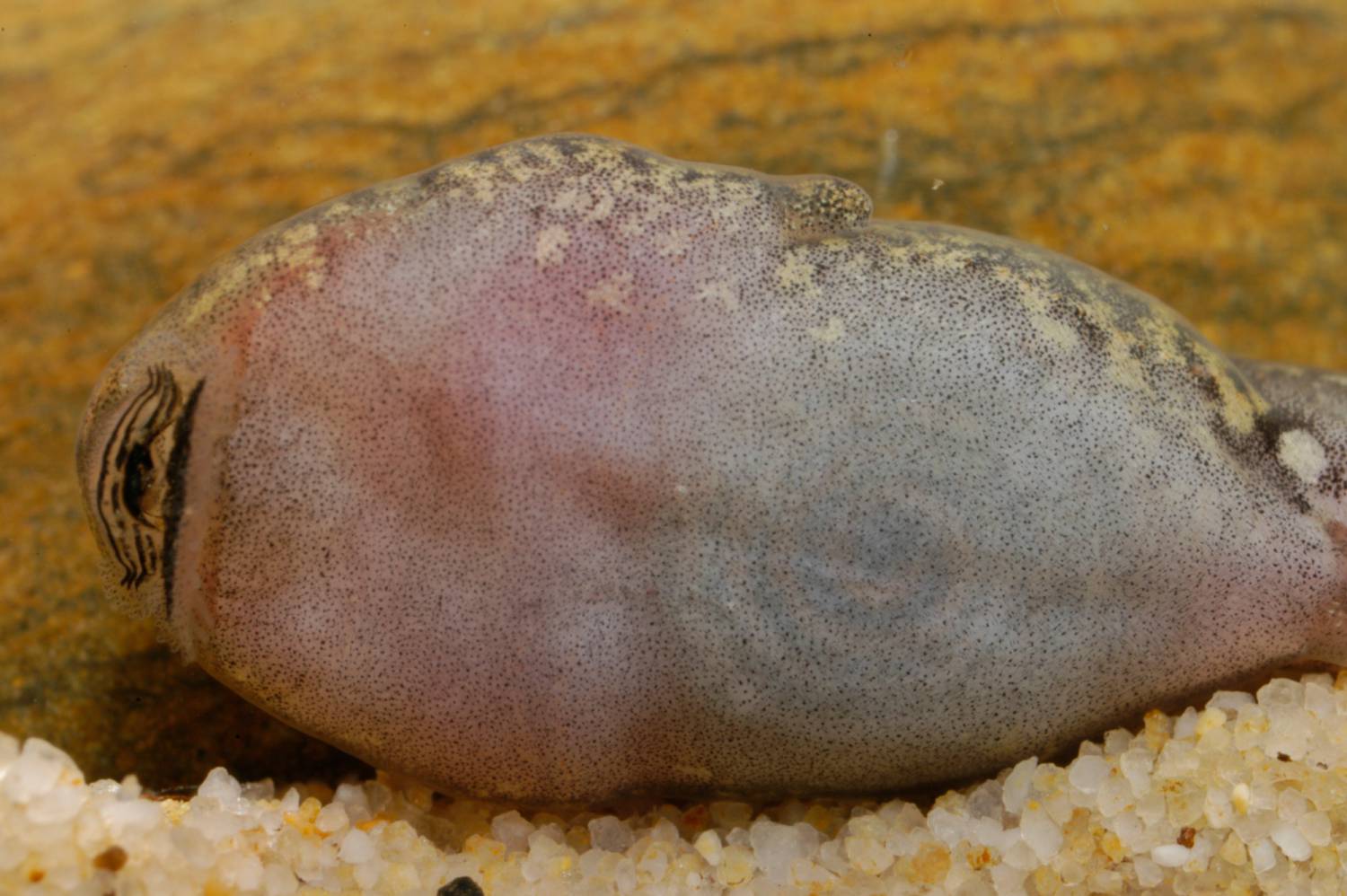
Coloration is variable among populations. Generally, the body and tail are dark brown dorsally, sometimes with olive hues. This background is broken by irregular lighter mottling (light brown, cream, or slightly orange). Day and night coloration differ: at night, the body appears paler, and the posterior half of the tail becomes distinctly black; during the day, this contrast is reduced or may disappear entirely. In some populations, mottling transitions into a marbled pattern on the lower flanks and proximal tail. No conspicuous clusters of iridocytes are present dorsally or laterally. Pigmentation of the trunk continues seamlessly onto the muscular part of the tail. The tail musculature and fins are darkly mottled (paler during daytime), sometimes with an orange tint, and often bear irregular clusters of iridocytes. The ventral body surface is opaque white with dense stippling of small melanocytes; gills and gut are not visible through the skin. The oral disc also bears scattered melanocyte stippling.

Snout

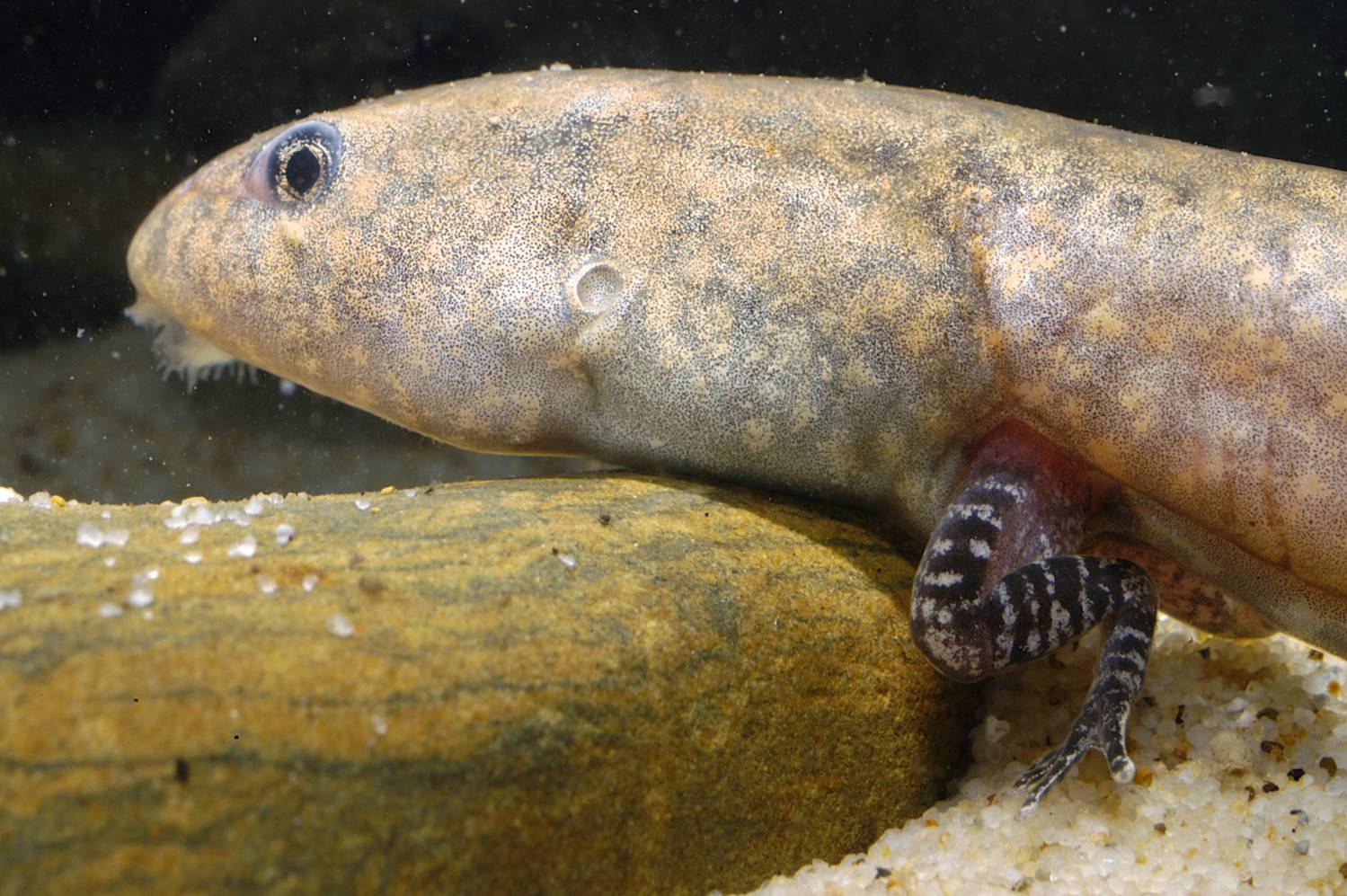
Narrowly rounded in both dorsal and lateral views. In lateral view, the snout is long and slopes gently in a curved profile; together with the slightly rising ventral contour, this results in a pointed or wedge-shaped appearance. The oral disc may slightly project beyond the snout in dorsal view.

Oral Disc

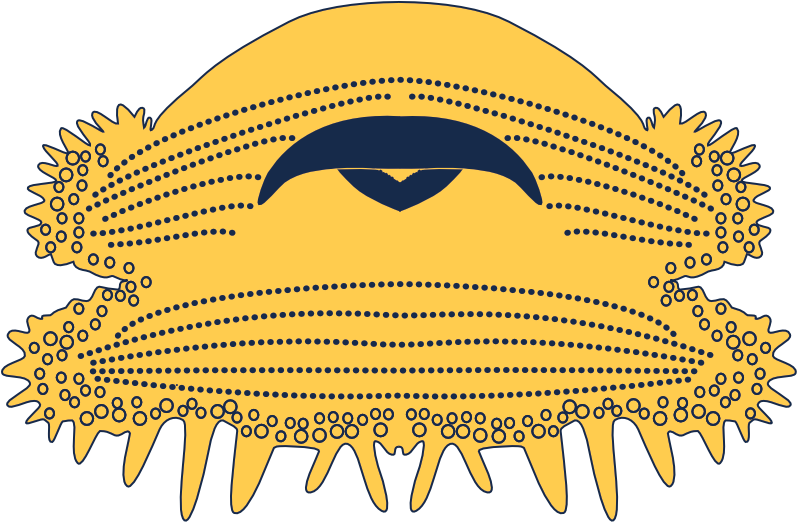
Anteroventral. A clear emargination separates upper and lower lips. Lips bear papillae along their margins, except for a broad medial gap in the upper lip. Submarginal papillae are present in 2–3 irregular, dense rows. Marginal papillae generally long; those on the lower lip include some exceptionally long, finger-like papillae. LTRF 6(5–6)/5 or 6(5–6)/5(1). In the lateral parts of the disc, short, irregular accessory keratodont rows may occur. Beaks strongly keratinized and undivided; jaw edges serrated. Upper beak broadly and shallowly arched; lower beak widely V-shaped.

Body

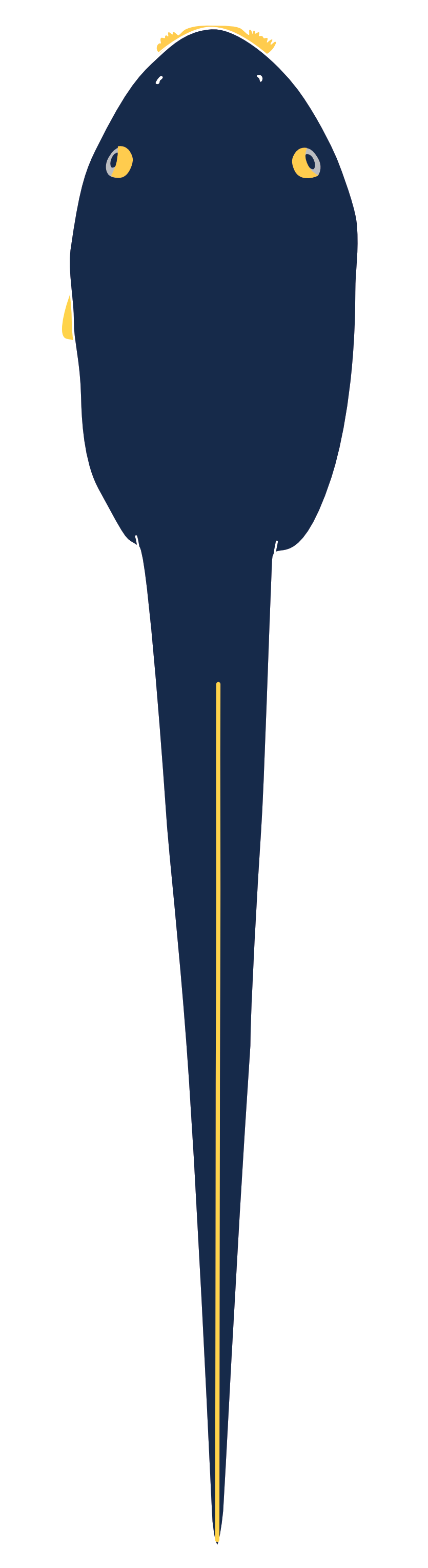
Oval in dorsal view and slightly dorsoventrally depressed in lateral view. Snout narrowly rounded in both views. Body widest at the gill region, posterior to the level of the eyes. Spiracle sinistral, opening posteriorly or posterolaterally. Medial rim of the spiracular orifice distinct, but without a long free tube; orifice located below the mid-body level in lateral view. Lateral line organs may be visible as distinct rows of dots on head, trunk, and tail, but are indistinct in some specimens. Many individuals show scars on body or tail, likely resulting from predator attacks.

Eyes & Nostrils

Eyes dorsolateral. Nostril smoothly rimmed, closer to the snout than to the eye, oriented anterolaterally. A distinct orbitonasal streak connects eye and nostril. Iris coloration variable, ranging from predominantly black with a narrow golden ring around the pupil to a broader golden or coppery ring with silvery-golden stippling peripherally.

Tail

Approximately 63–66 % of total length. Tail musculature strong and high, nearly equal to body height. Upper fin originates posterior to the trunk-tail junction (at ~10–13 % of tail length), rising to a maximum height anterior to mid-tail. Lower fin originates at a similar level but remains low initially before increasing in height more posteriorly. The anterior half of the tail is opaque and distinct from the partially transparent posterior half. Posterior tail and fins resemble a pointed lancet; however, many specimens show damaged or regenerated tail tips. In intact individuals, the tip is narrowly rounded. Ventral and lateral tail veins indistinct.

Similar Species

Due to their size and characteristic coloration, Hylarana luctuosa tadpoles are unlikely to be confused with other species. Polypedates macrotis tadpoles, which may occur in the same habitats, can be distinguished by differences in coloration, tail fin shape and extent, and oral disc morphology. Diagnostic features separating H. luctuosa from H. decorata tadpoles remain to be established.

Literature

Abavorana luctuosa males call from sheltered sites, such as under logs or cavities in the mud banks, close to the waterline, sometimes in small
groups. The call is a single note rising in frequency.
Inger, R.F. (1966) The systematics and zoogeography of the Amphibia of Borneo. Fieldiana Zoology 52: 1–402.

Inger, R.F. (1985) Tadpoles of the forested regions of Borneo. Fieldiana Zoology New Series 26: 1–89.

Quah, E.S.H., Grismer, L.L., Wood, P.L., Lim, K.K.P.L, Imbun, P.Y., Anuar, S. (2021) An investigation into the taxonomy of Abavorana luctuosa (Peters, 1871) (Anura, Ranidae) and the resurrection of Rana decorata Mocquard, 1890 from Borneo. Vertebrate Zoology 71: 75–99.