Zum Hauptinhalt springen

Frogs of Borneo

Frogs of Borneo

Frogs of Borneo

Frogs of Borneo

Frogs of Borneo

Frogs of Borneo

Frogs of Borneo

Frogs of Borneo

Frogs of Borneo

Frogs of Borneo

Frogs of Borneo

Staurois guttatus

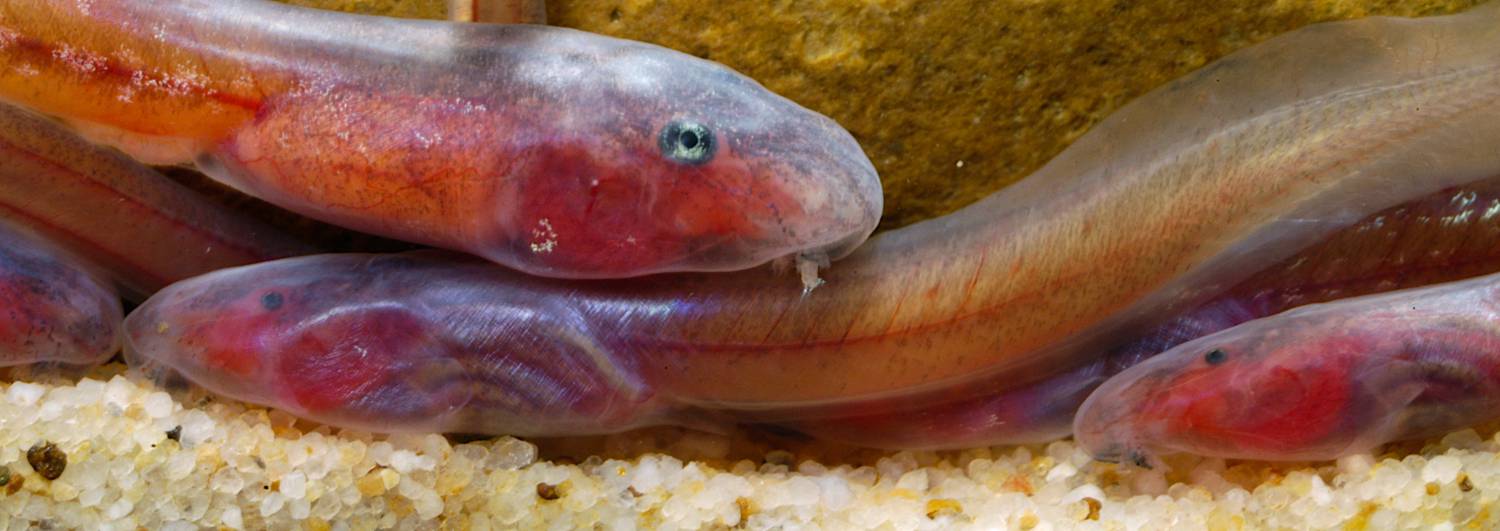
This species occurs in lowland, mid-elevation, and montane streams. Tadpoles inhabit rock troughs and side pools that are partially or fully disconnected from the main channel and filled with deep leaf litter and detritus. Tadpoles are elusive and photophobic, typically remaining buried beneath leaf litter during the day. Feeding likely occurs primarily at night.
  • Family:
    Ranidae
  • Genus:
    Staurois
  • Ecomorph:
    exotrophic, fossorial, leaf-litter interstice specialist
  • Waterbody Type:
    flowing
  • Water Column:
    bottom|leaf litter
  • Feeding Type:
    feeding, generalist
  • Size:
    41 mm
  • Development:
    larva, tadpole
  • Adult:
    Staurois

Coloration

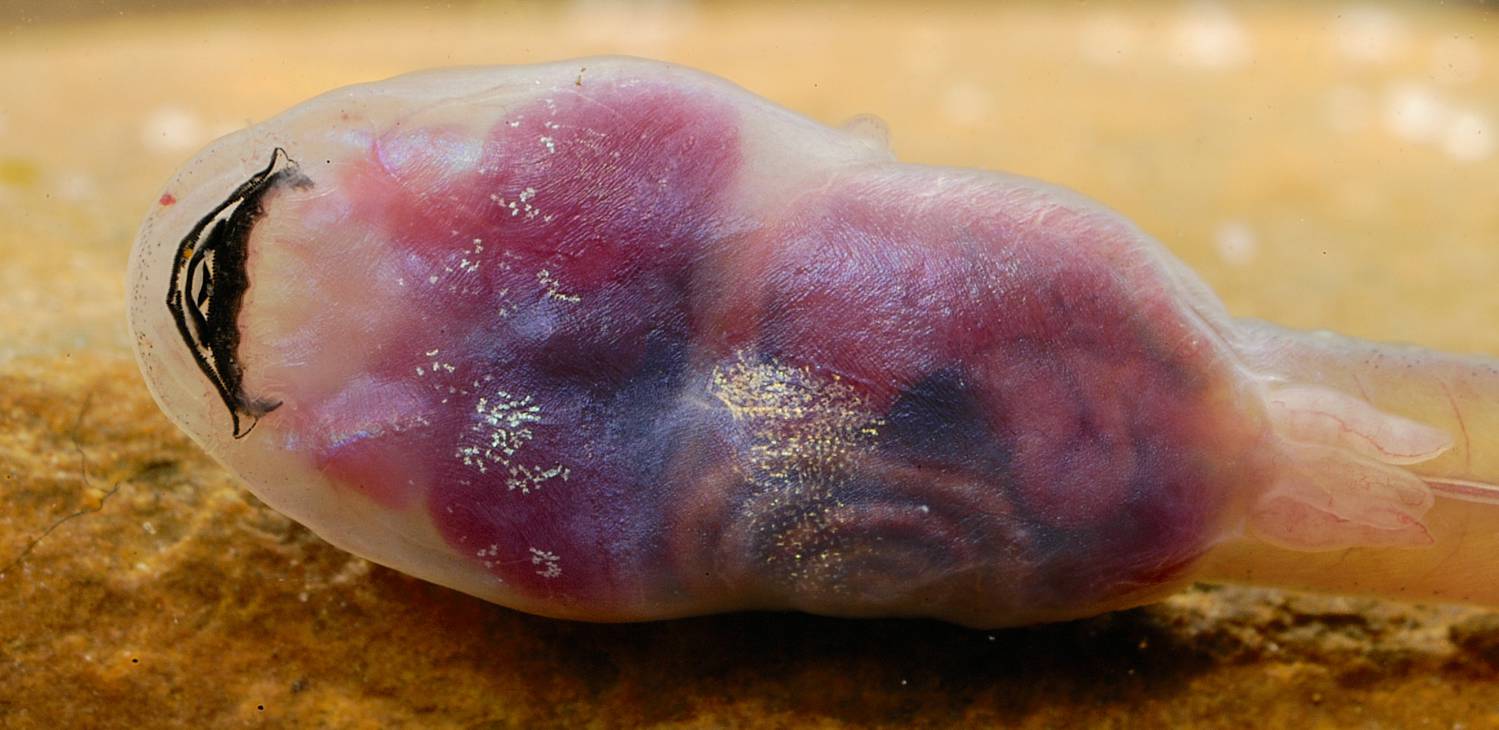
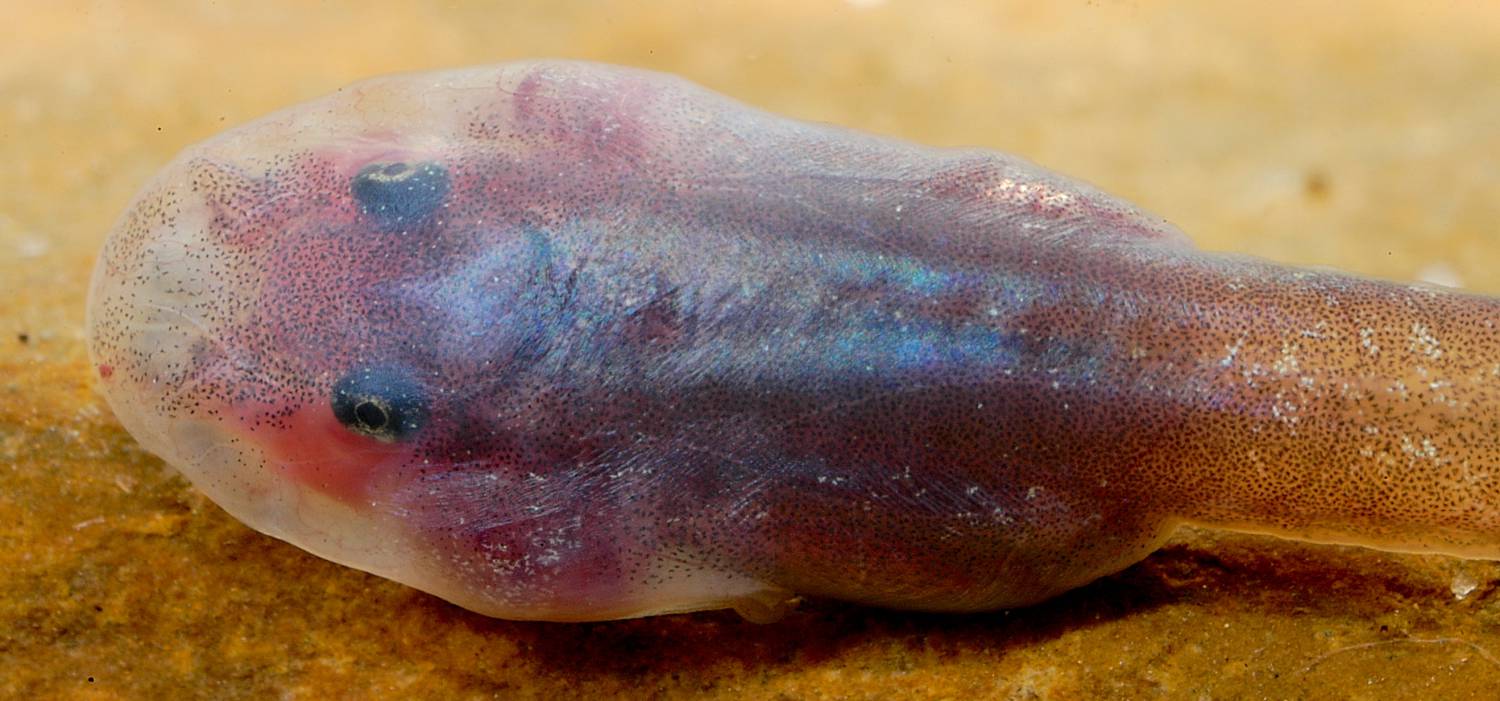
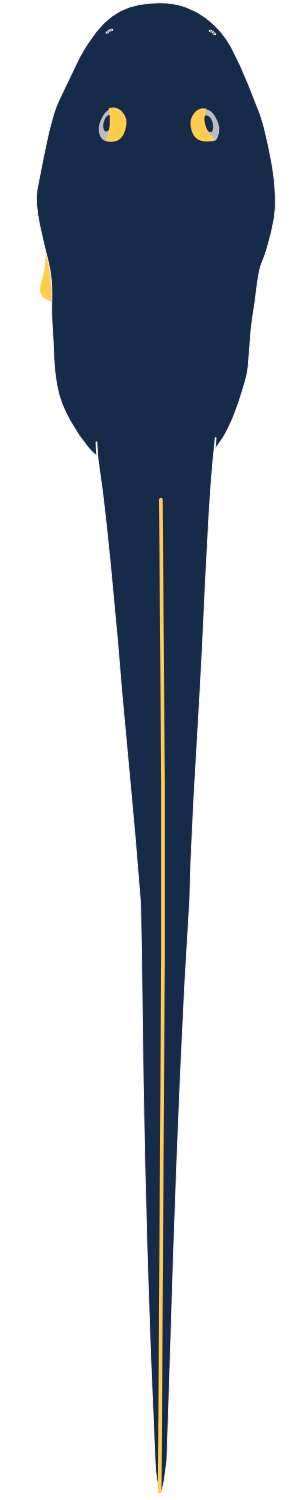
Dorsal surface uniformly dark gray (at least in advanced tadpoles) under daylight; distinct markings absent. Living specimens appear reddish due to high blood volume, extensive skin vascularization, and semi-transparency of lateral and ventral skin. Skin exhibits bluish iridescence in life. Tail fins mostly clear, dorsal fin darkly pigmented at the anterior base. Ventral skin semi-transparent, mostly unpigmented, with bluish iridescence (lost in preserved specimens). Scattered silvery iridophores may occur ventrally at the gill region and anterior abdomen, laterally at the gill region, and along the proximal tail. Oral disc unpigmented. Gills, heart, and gut visible through the skin. Iridophore patches irregularly distributed along the muscular tail portion, occasionally present on lateral gill region.

Snout

Long, tapering in dorsal view, apex broadly rounded and obtuse. In lateral view, dorsal surface continuous with forehead slope; snout apex positioned low.

Oral Disc

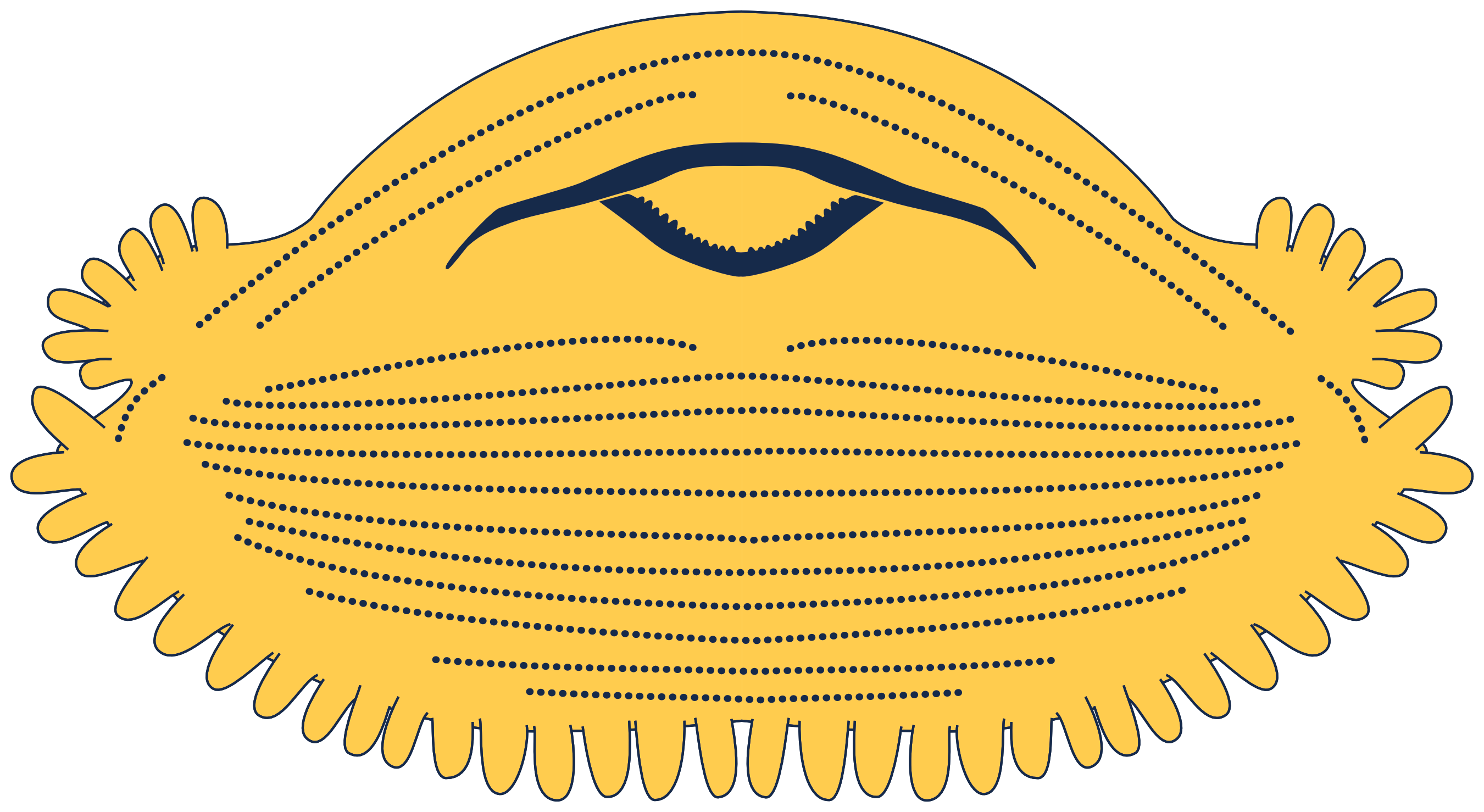
Oral disc ventral; width slightly more than half of maximum body width. Emargination present laterally between upper and lower lips. Upper lip mostly lacking papillae, except for a single row of marginal papillae on small lateral flaps. Submarginal papillae absent. Lower lip with one uninterrupted marginal papilla row. Marginal papillae moderately long and blunt. LTRF 2(2)/8(1) to 2(2)/10(1); peripheral keratodont row number on the lower lip increases with tadpole stage. One short accessory keratodont row laterally at the transition from lower to upper lip, oriented longitudinally. Beaks keratinized, black, thin, with very fine serrations. Upper beak broadly smooth and shallowly arched; lower beak broadly V- to U-shaped.

Body

Midsized tadpole. Body depressed, flat dorsally and ventrally; head slightly wedge-shaped, sloping to snout, slightly convex. In dorsal view, body slender with blunt, somewhat triangular head; trunk narrower than head. Maximum width at gill level, posterior to eyes. Spiracle sinistral, forming a short free tube. Spiracular tube opens posterolaterally and slightly below the longitudinal body axis in lateral view. Lateral line organs inconspicuous.

Eyes & Nostrils

Eyes small, covered by skin for most of larval life, functional towards metamorphosis; dorsolateral in orientation. Iris in late larval stages black with silvery sectors above and below. Nostrils small, closer to snout than eyes, positioned dorsally relative to oral disc, slightly supported medially by snout bulge, opening anterolaterally.

Tail

Tail long, approximately 72% of total length. Muscular portion moderately strong, less than body height in lateral view. Dorsal fin originates shortly posterior to trunk-tail junction, initially low for the first 10–15% of tail, gradually rising and shallowly arching at mid-tail, then sloping downward with slight convexity to moderately rounded tip. Lower fin nearly straight. Tail fins relatively low; dorsal fin slightly higher at mid-tail. Maximum tail height at approximately midpoint. Lateral tail vein clearly visible; skin glands absent. Myosepta not mentioned.

Similar Species

General features described for Staurois guttatus apply to all Staurois species. S. parvus lacks accessory keratodont rows and typically has 2–3 interrupted lower lip keratodont rows. Reports on accessory keratodont rows in S. guttatus are inconsistent; our samples confirm their presence. The tadpole of S. latopalmatus is unknown. Co-occurring species, such as Odorrana hosii and Hylarana picturata, occupy similar microhabitats but lack the reddish appearance and delayed ocular development characteristic of Staurois tadpoles. Staurois also lacks the skin glands found in Hylarana tadpoles.

Reproduction

See comments on reproduction for S. parvus.

Literature

See comments on reproduction for S. parvus.