Zum Hauptinhalt springen

Frogs of Borneo

Frogs of Borneo

Frogs of Borneo

Frogs of Borneo

Frogs of Borneo

Frogs of Borneo

Frogs of Borneo

Frogs of Borneo

Frogs of Borneo

Frogs of Borneo

Frogs of Borneo

Limnonectes malesianus

Tadpoles of Limnonectes malesianus live in swamp pools, flooded muddy forest depressions, and stagnant, shallow, slow-moving sections of forest streams. They are benthic and remain close to the bottom, where they feed on organic matter accumulating in the soft substrate. Their movements stir up fine particles. The suspension is subsequently ingested.
  • Family:
    Dicroglossidae
  • Genus:
    Limnonectes
  • Ecomorph:
    benthic, exotrophic, lentic, lotic
  • Waterbody Type:
    flowing
  • Water Column:
    bottom
  • Feeding Type:
    feeding, generalist
  • Size:
    26 mm
  • Development:
    larva, tadpole
  • Adult:
    Limnonectes

Coloration

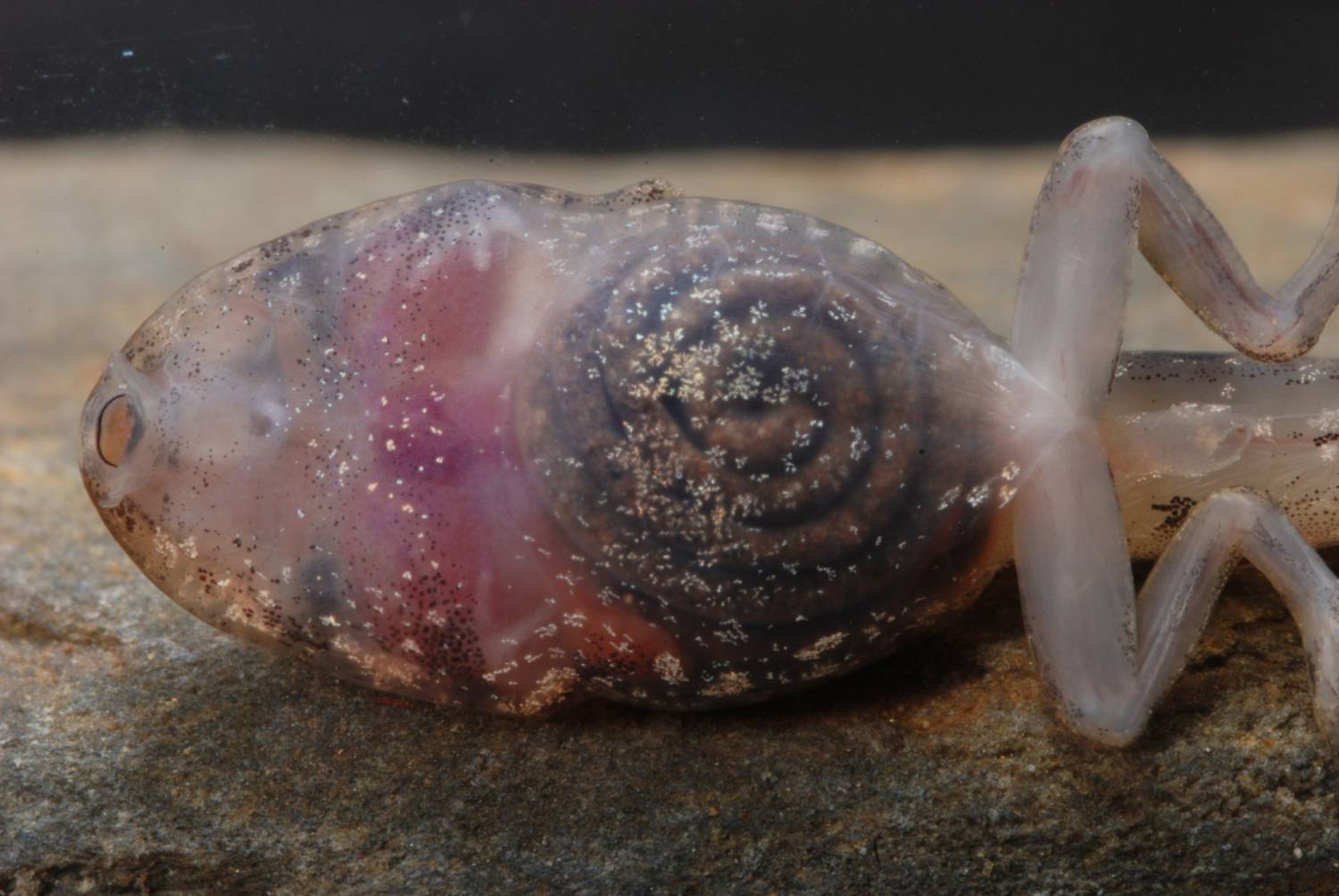
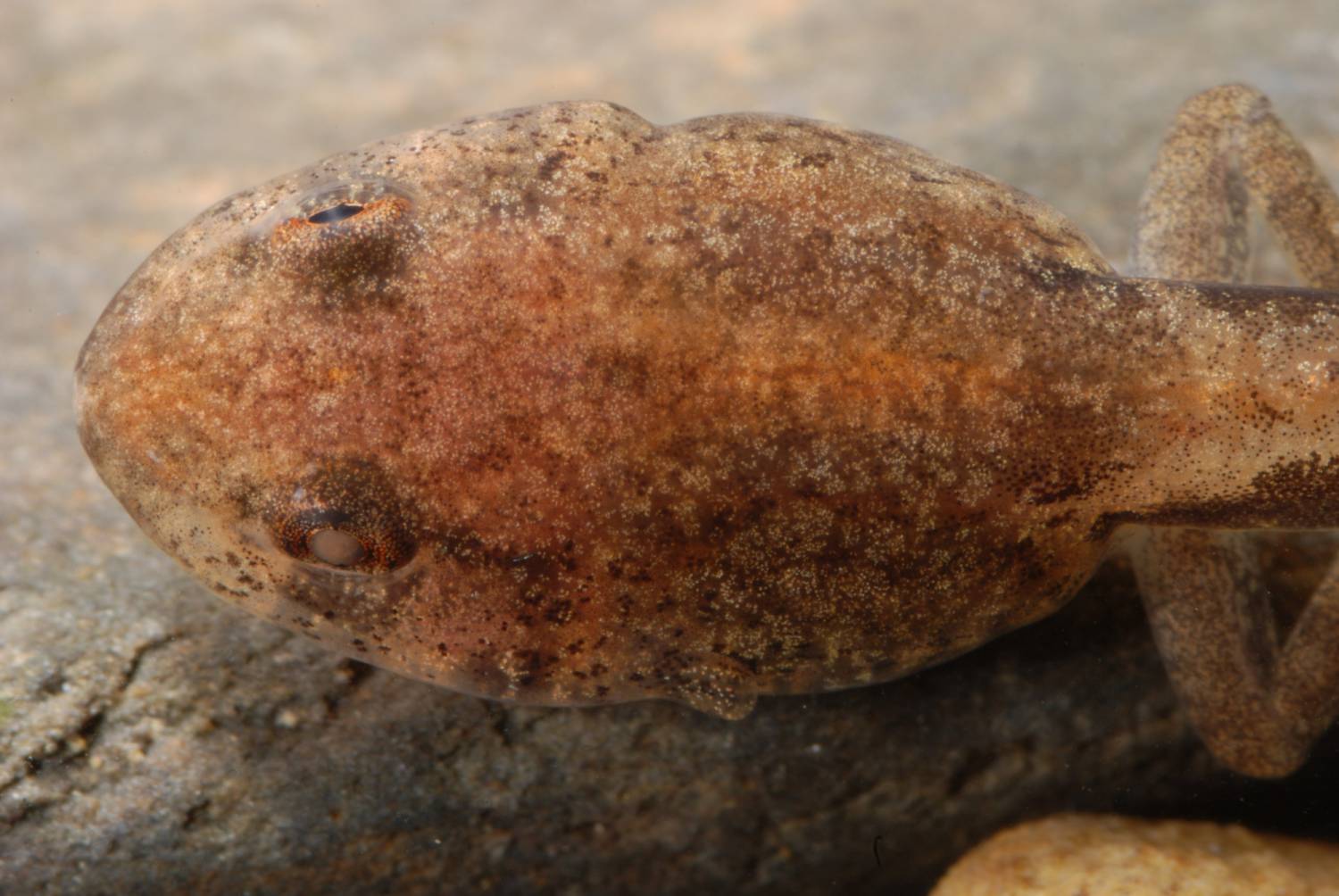
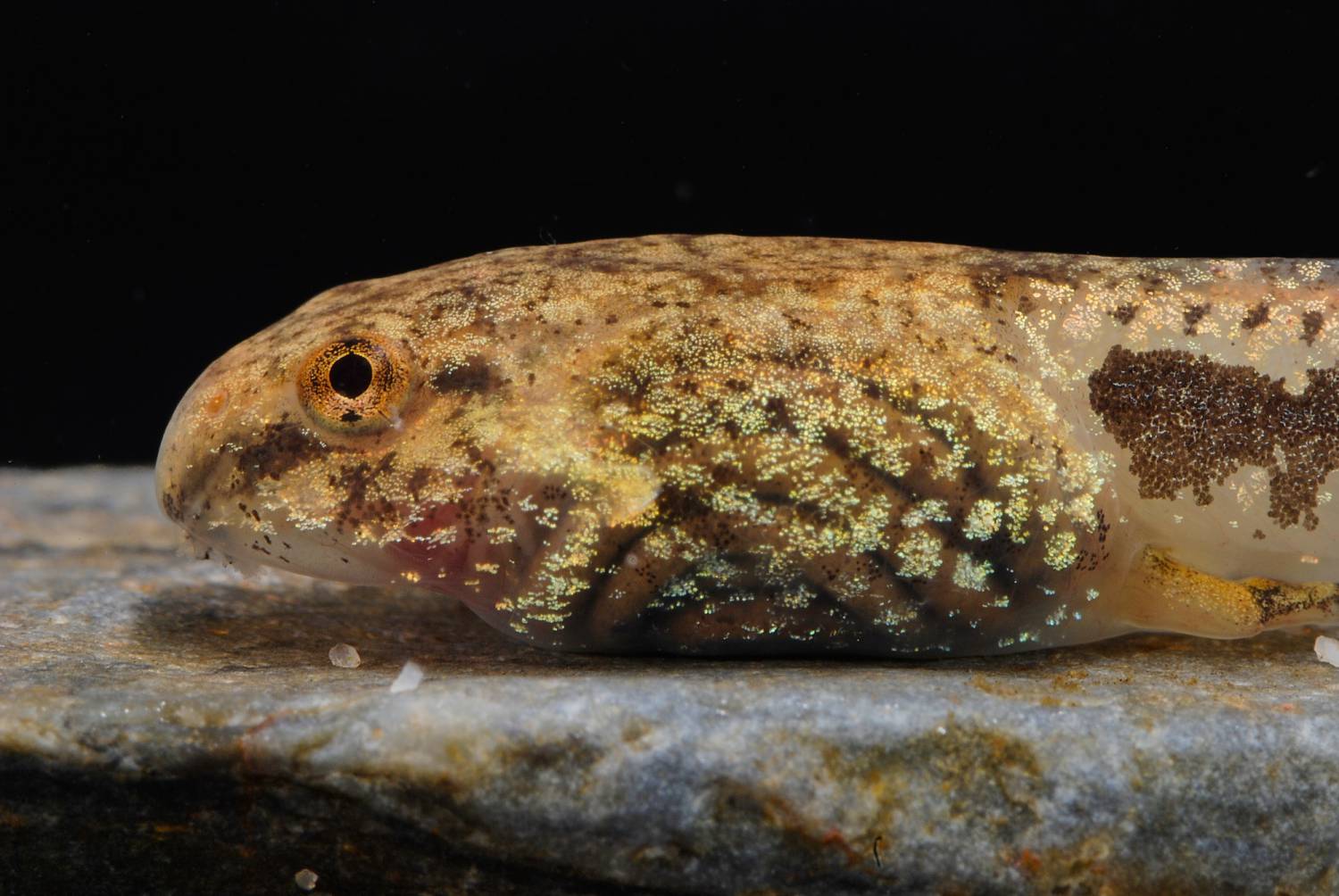
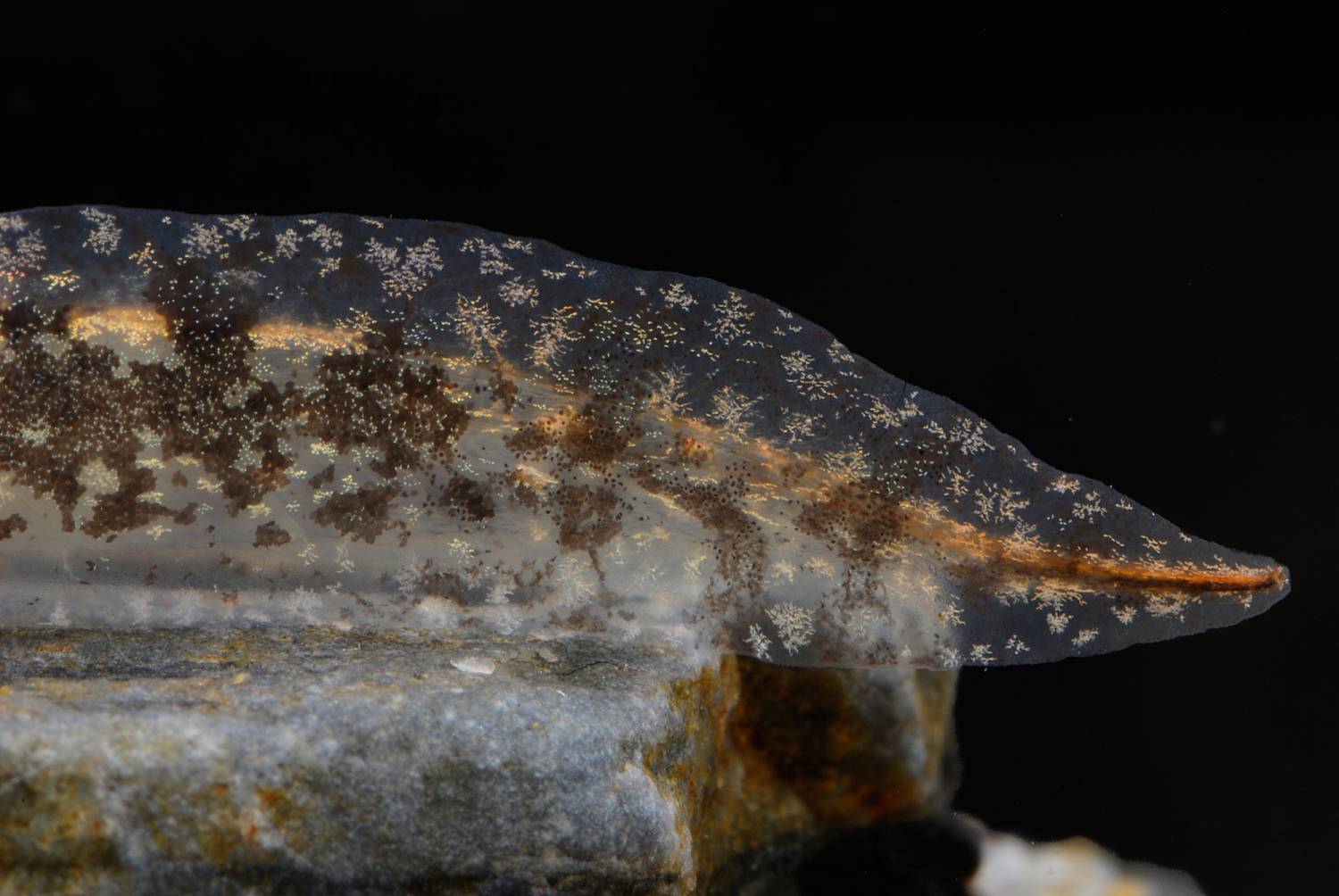
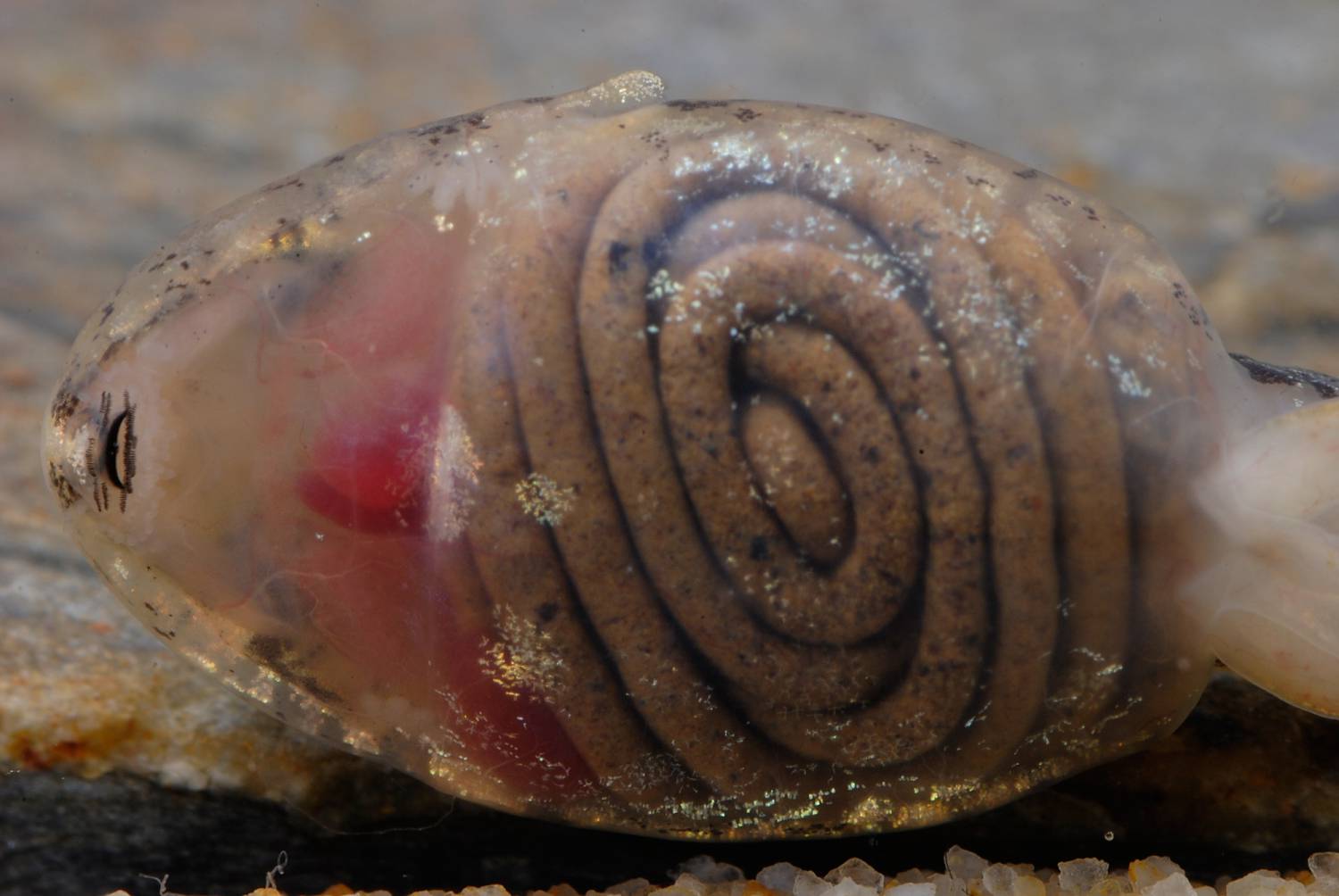
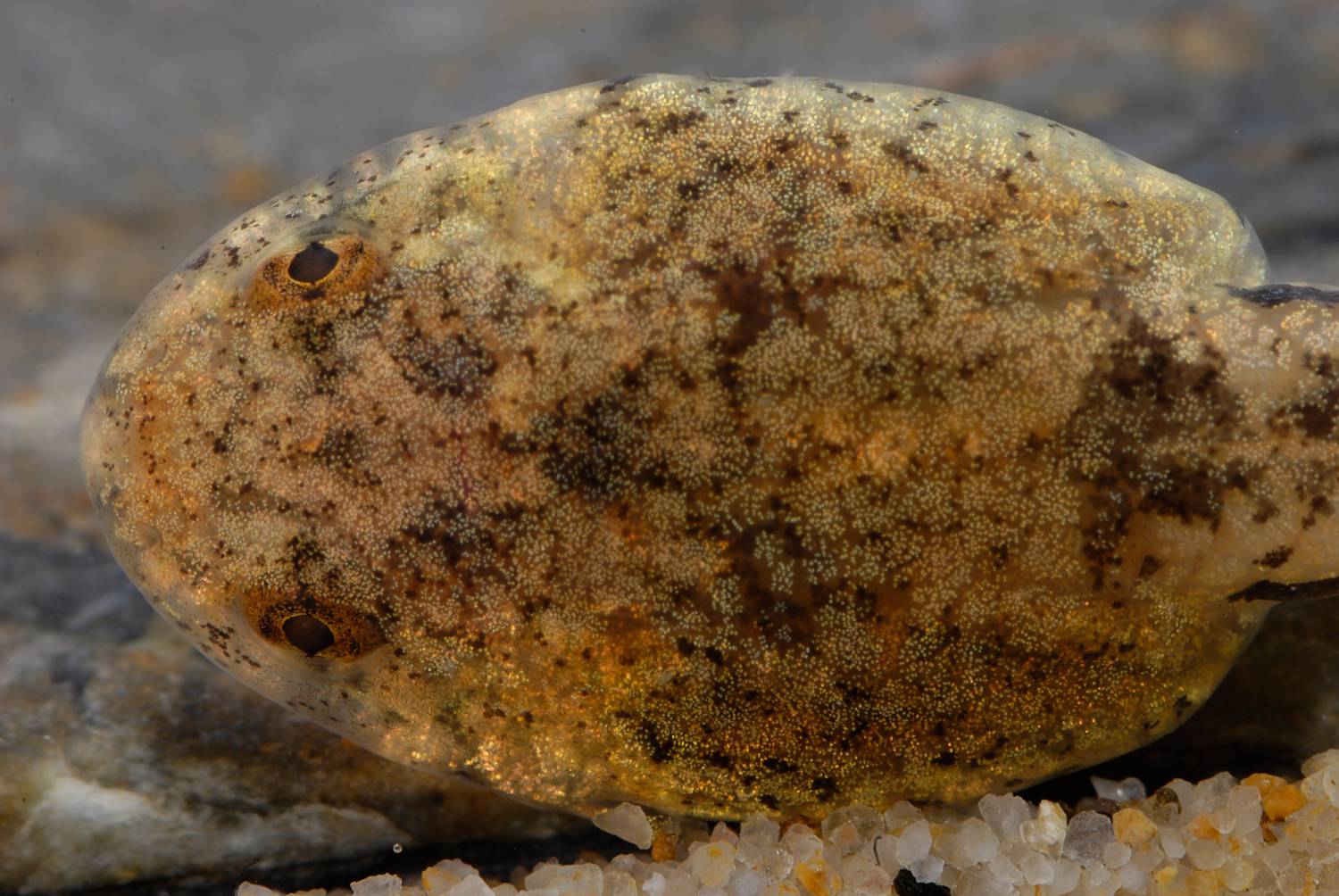
Gold brown above, with irregular, indistinct marbling and scattered black dots; dorsally densely dusted with iridocytes. A dark blotch marks the trunk-tail junction dorsally. Flanks darker than dorsum and marbled. Three diffuse dark areas are present on the lateral face: a streak from the eye to the oral disc, a patch below the eye, and one posterior to the eye; often an additional patch is present laterally in the gill region. On the lower head and lower flanks, the dense iridocyte layer dissolves into irregular light patches. Ventral skin mostly unpigmented and transparent. Iridocytes and melanocytes are scattered in the gular, buccal, branchial, and anterior abdominal regions. Body coloration continues onto the dorsal tail, becoming lighter and fading distally. The distal fourth of the muscular tail often shows an orange or reddish tint. Laterally, the tail bears several large, irregular, partially fused polygonal blotches, mostly covering the muscular portion but in some cases extending into the fins. Numerous distinct, rosette-like white clusters of iridocytes cover the tail and tail fins.

Snout

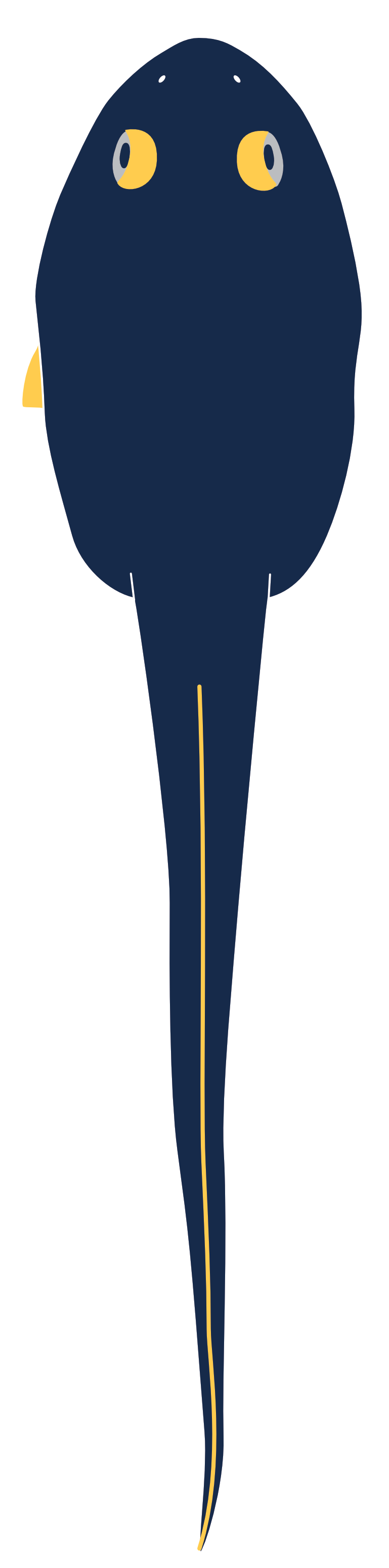
In dorsal view, the snout forms a smooth, broad, slightly tapering arch with a subtle medial bulge, though not distinctly tapering. Snout moderately long. Oral disc does not project beyond the snout in dorsal view. In profile, the snout is blunt and steep.

Oral Disc

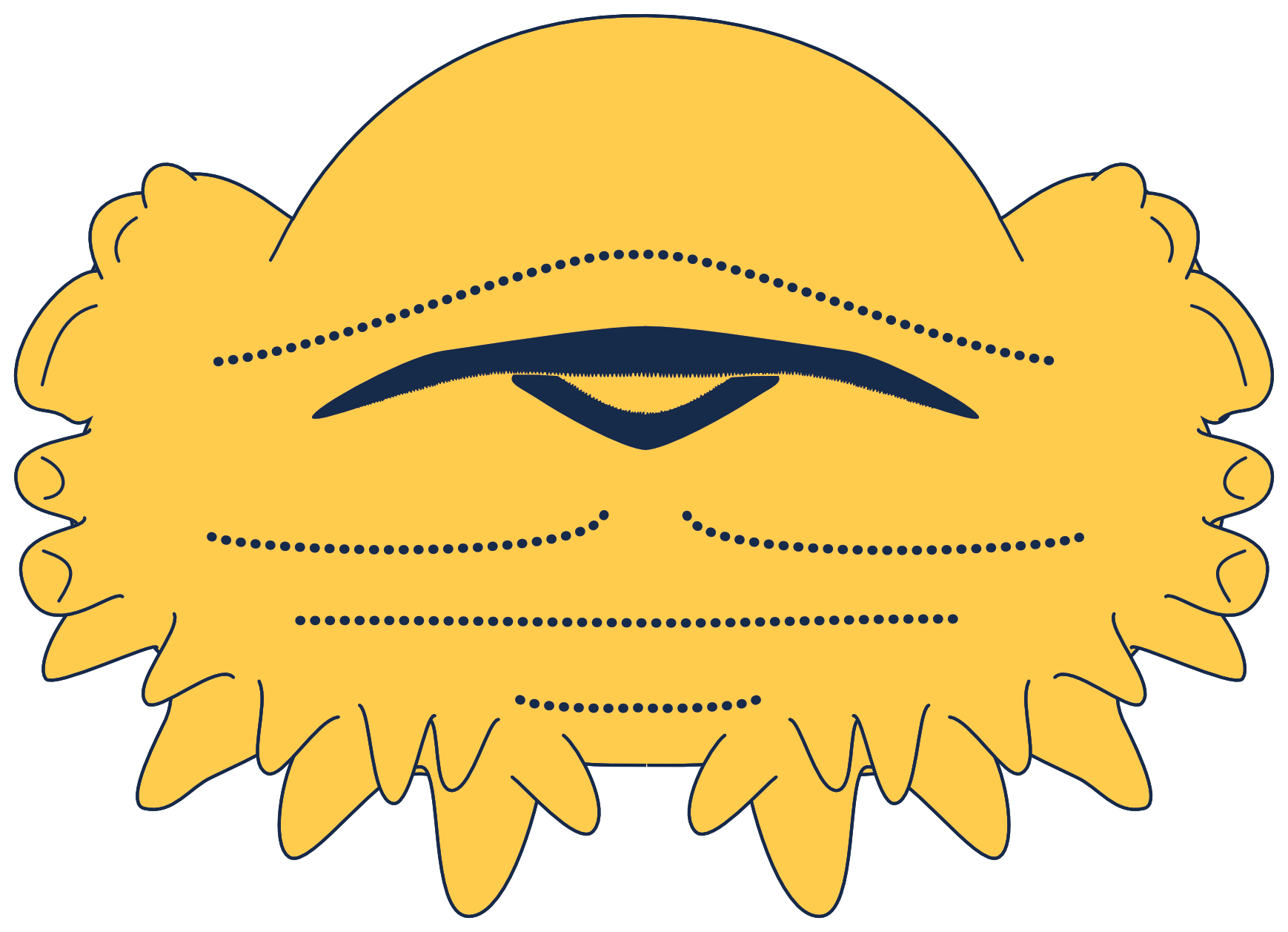
Moderately large, approximately 30% of head width, oriented anteroventrally and not projecting beyond the snout contour in dorsal view. Upper and lower lips separated only by an indistinct emargination. Marginal papillae present except for a wide gap in the upper lip and a narrow gap in the lower lip. Marginal papillae thick and few in number; some are flat and broad, appearing as if two or more papillae were fused. On the medial part of the lower lip, papillae are arranged in a staggered pattern, giving the impression of a double row. Submarginal papillae absent. LTRF 1/3(1). Beaks thin but well keratinized, with finely serrated edges. Upper beak straight medially and shallowly arched laterally; lower beak V-shaped.

Body

Small to medium-sized. Body contour oval in dorsal view. Head equal to or slightly wider than trunk, with the greatest width at the gill region. Head contour smoothly rounded and slightly tapering in dorsal view. Body dorsoventrally depressed. Spiracle sinistral, opening posteriorly. Lateral side of the spiracle extends further posteriorly than the medial side. Spiracular orifice free from the body wall medially, forming a short free tube. Spiracle located at mid-body level in lateral view. Lateral line organs indistinct.

Eyes & Nostrils

Eyes dorsolateral. Nostrils oriented anterolaterally, closer to the snout than to the eye; nostril rim without a distinct projection. Iris densely dotted with brass or gold iridocytes, often with a reddish hue in the central region. Iridocytes form an almost complete, solid ring around the pupil, with small gaps dorsally and ventrally. Iridocytes are less dense in the anterior, posterior, upper, and lower sectors, forming four dark radii.

Tail

Up to 68% of total length. Muscular part of tail moderately strong. In dorsal view, tail muscle slightly less than half of maximum trunk width; in lateral view, more than half of trunk height. Upper fin originates posterior to the trunk-tail junction, at approximately 5% of tail length. Upper fin higher than lower fin and moderately arched. In the posterior fourth of the tail, fins converge into an acute or narrowly rounded tip. Some individuals show a concavity in the contour of the upper fin near the tip, whereas others have a symmetrically lanceolate tail. Maximum tail height at mid-tail level or slightly posterior. Lateral tail vein masked by pigmentation; tail myosepta indistinct.

Similar Species

The tadpole of Limnonectes malesianus is most similar to those of L. leporinus, L. paramacrodon, and L. ingeri. L. malesianus tadpoles do not grow as large as the other species mentioned; however, these size differences become apparent only in advanced larval stages. Although some morphological and color pattern differences among River Frog species were observed, larger sample sizes from multiple localities are required to corroborate these findings.

Literature

Inger et al. (2017) reported the breeding of a pair sitting in a stream in the middle of a circular depression in fine gravel, similar to breeding habits reported for Limnonectes leporinus.
Inger, R.F. (1985) Tadpoles of the forested regions of Borneo. Fieldiana Zoology new series 26: 1–89.

Leong, T.M., Chou, L.M. (1999) Larval diversity and development in the Singapore Anura (Amphibia). The Raffles Bulletin of Zoology 47: 81–137.