Zum Hauptinhalt springen

Frogs of Borneo

Frogs of Borneo

Frogs of Borneo

Frogs of Borneo

Frogs of Borneo

Frogs of Borneo

Frogs of Borneo

Frogs of Borneo

Frogs of Borneo

Frogs of Borneo

Frogs of Borneo

Hylarana erythraea

This lowland species is commonly found around rural ponds, rice paddies, roadside ditches, open swampy areas, and park ponds. Tadpoles hide among dense aquatic vegetation during the day and forage in more open areas of the pond at night. They spend most of their time near the bottom but may swim vertically in the water column to feed on organic matter.
  • Family:
    Ranidae
  • Genus:
    Hylarana
  • Ecomorph:
    benthic-nektonic, exotrophic, lentic
  • Waterbody Type:
    stagnant
  • Water Column:
    bottom
  • Feeding Type:
    feeding, generalist
  • Size:
    52 mm
  • Development:
    larva, tadpole
  • Adult:
    Hylarana

Coloration

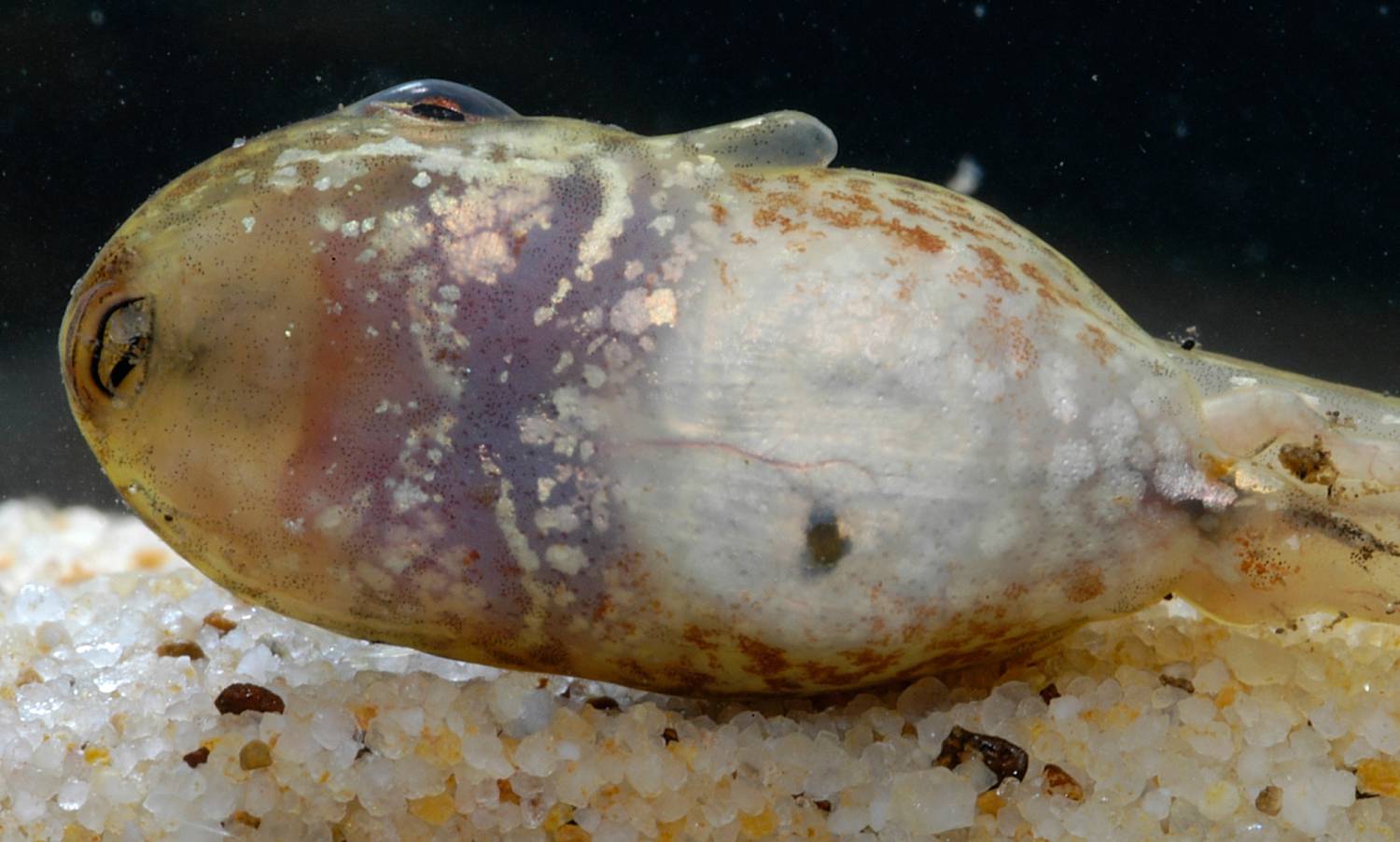
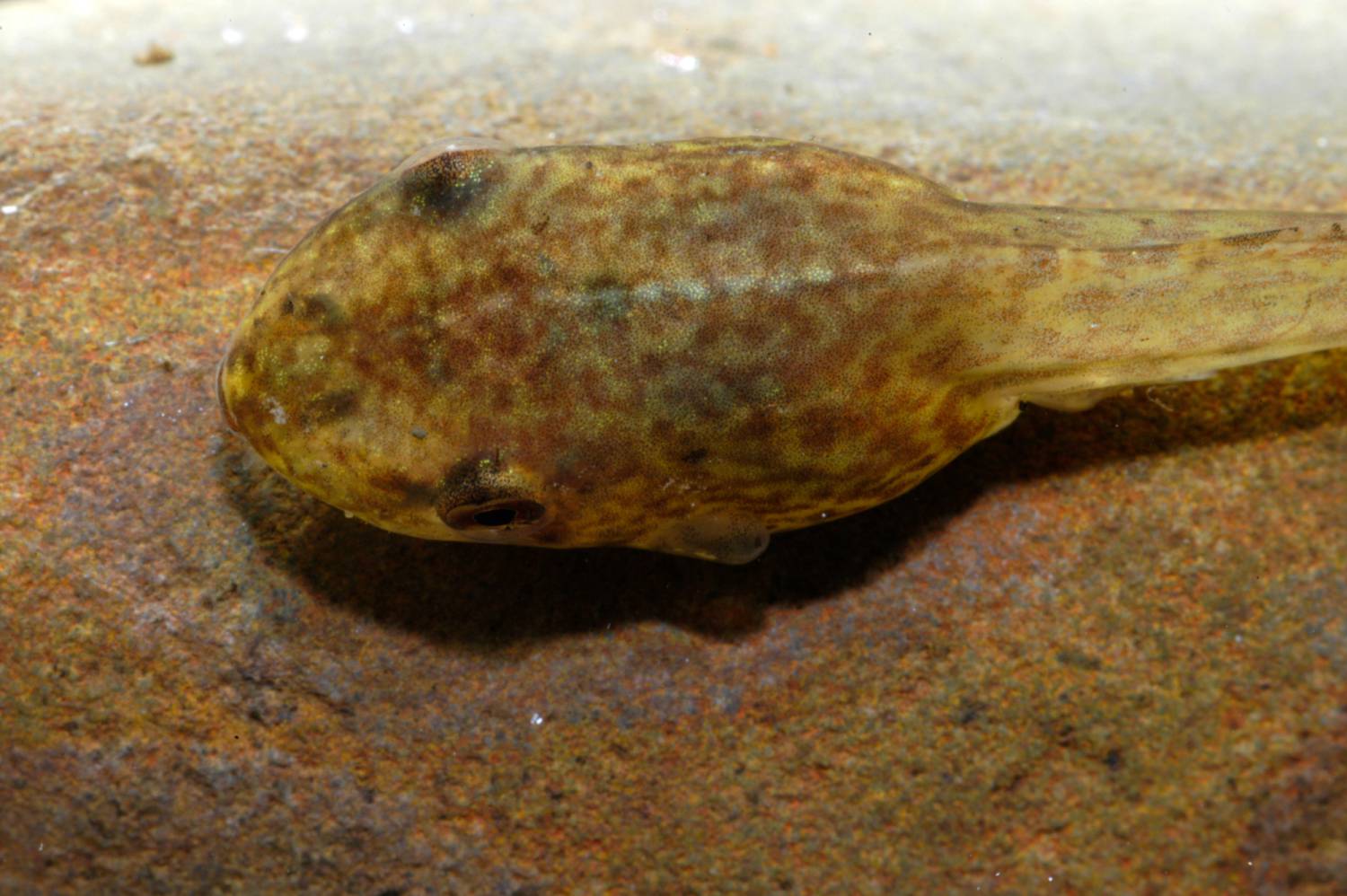
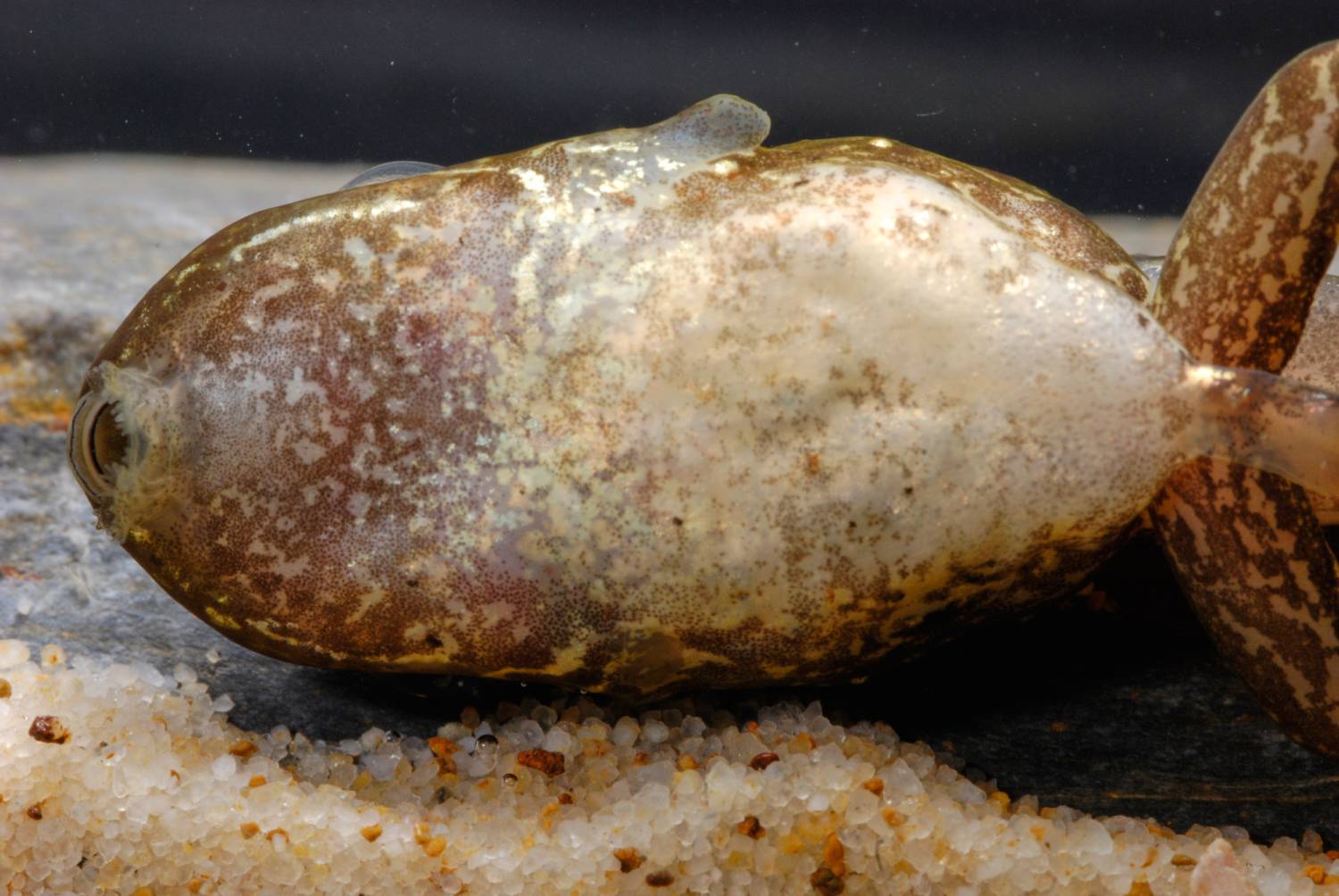
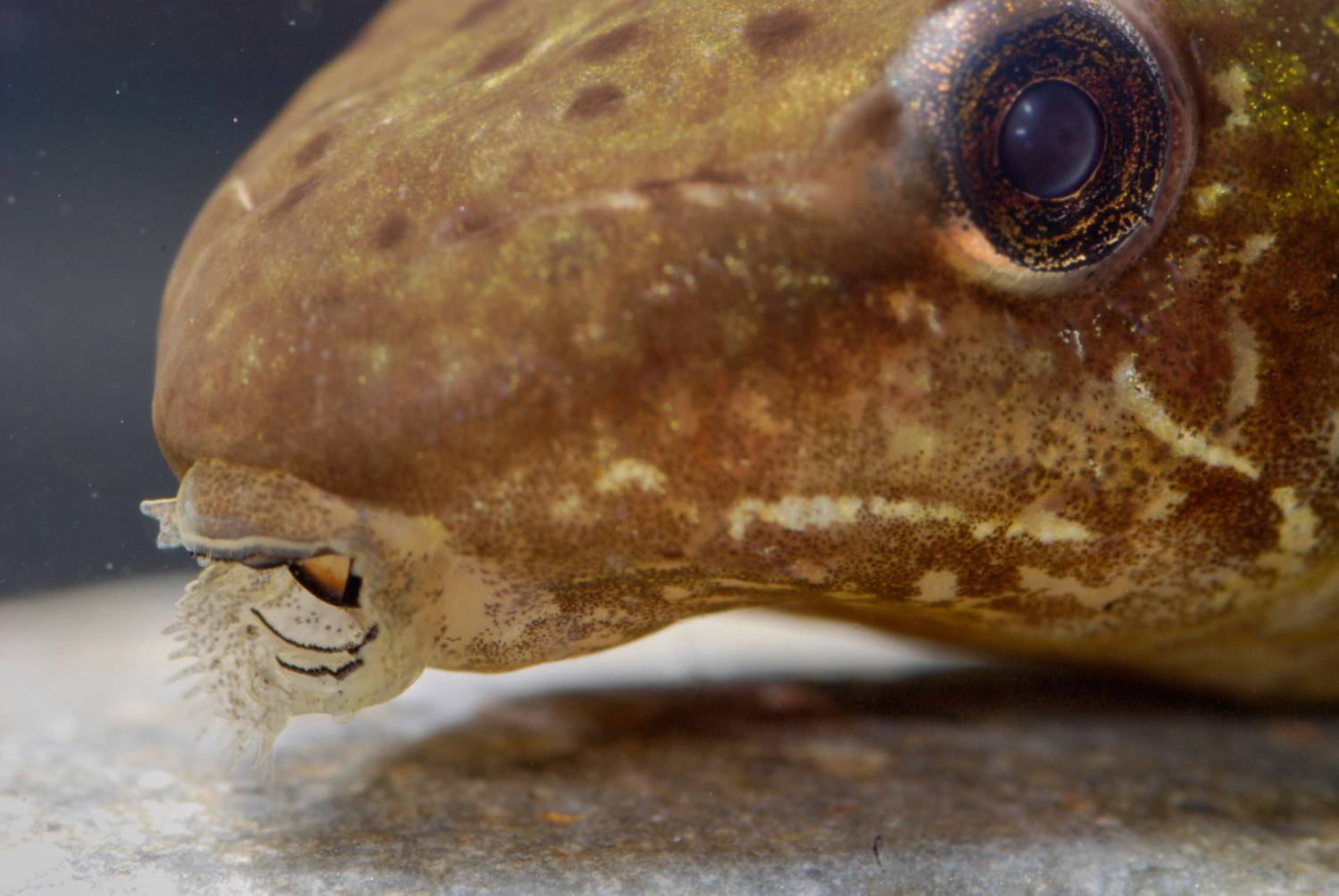
Dorsally ocher to mid-brown, sometimes with olive-green hues and a faint vertebral streak in late tadpole stages. A mottled pattern of dense dark brown or reddish-brown spots overlays the ground color. Brown mottling continues from the trunk to the tail, including the fins, though less dense and dark than on the trunk. Conspicuous white markings are present: white lines and iridophore blotches on the cheeks and ventrally, a light line along the posterior two-thirds of the tail musculature, and a fainter line along the base of the upper fin. Along the tail fin edges, iridophore clusters may alternate with dark pigmentation. Venter mostly shiny white. Buccal and gular regions light brown and semi-transparent in early tadpoles, mottled dark brown in advanced stages. Gills, heart, and gut coils not clearly visible. Oral disc finely stippled with melanocytes, with clusters concentrated on the oral papillae.

Snout

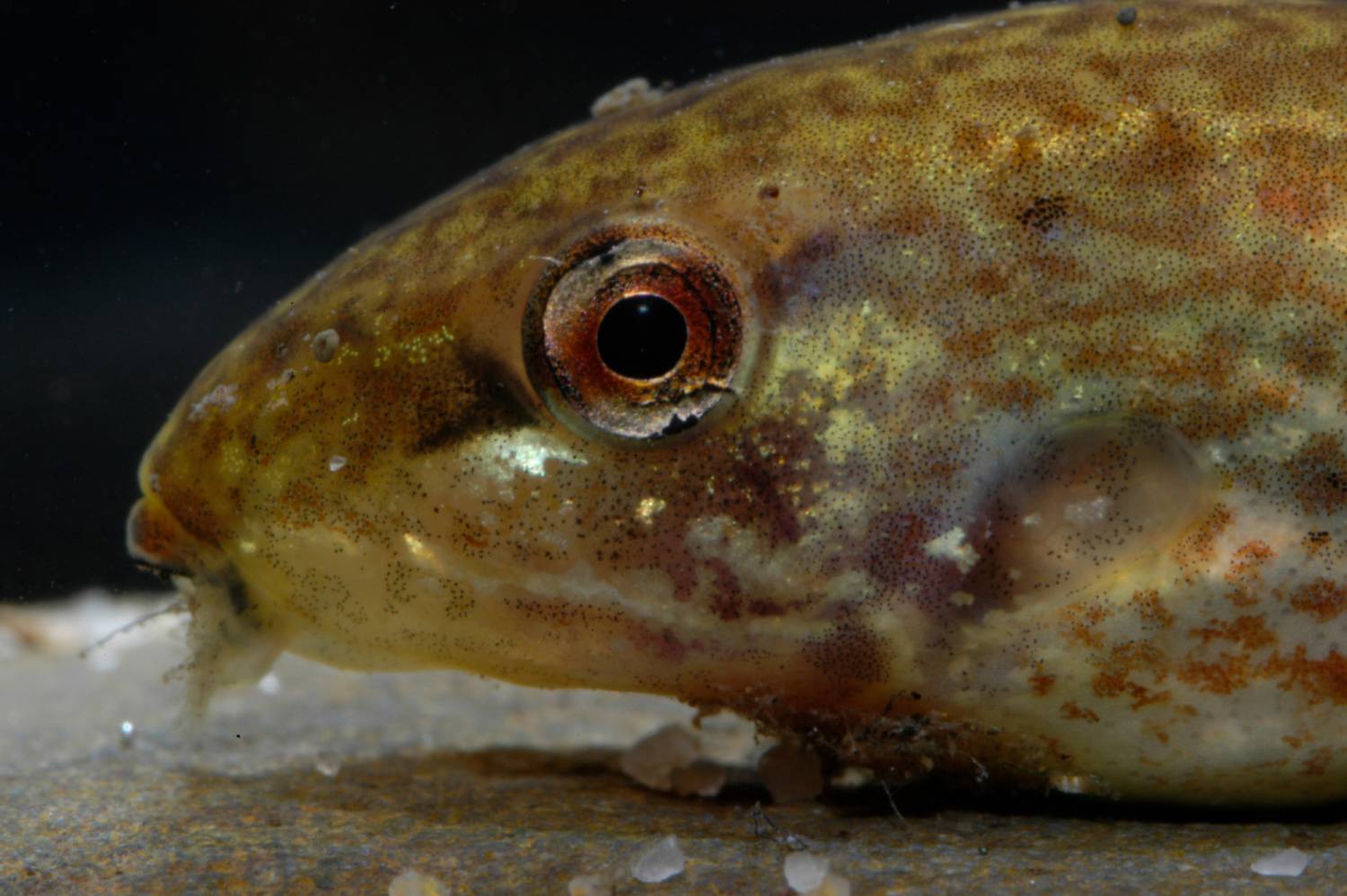
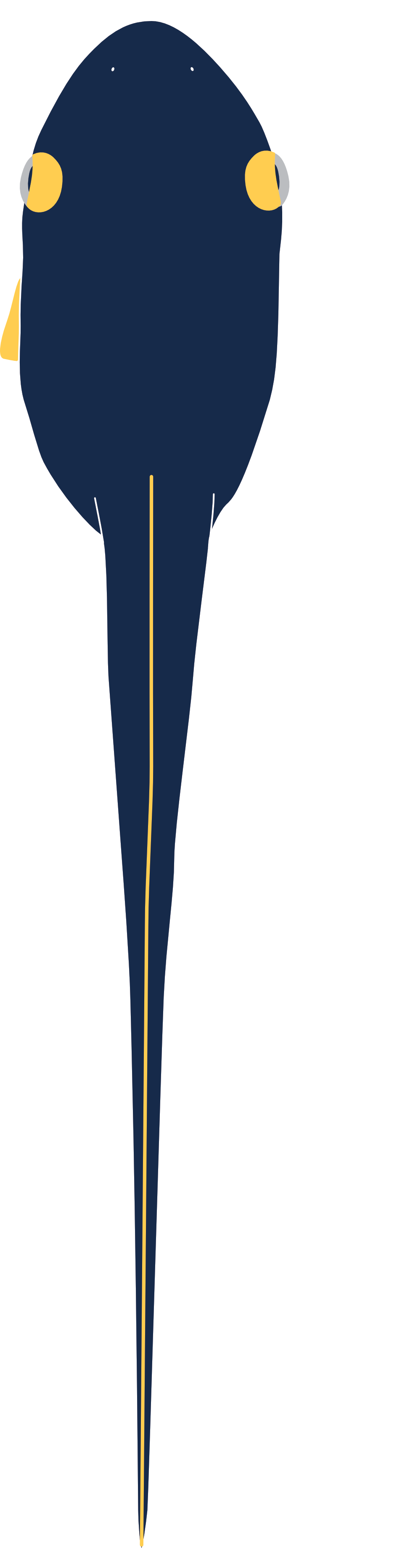
Tapering with rounded tip in dorsal view. In lateral view, long and sloping downward with a weakly convex curvature. Nostrils not elevated.

Oral Disc

Subterminal. A clear emargination separates upper and lower lips. Papillae present along the oral disc margin except for a broad medial gap on the upper lip. Papillae on the lateral parts of the upper lip short. Submarginal papillae present in a single loose row. Lower lip bears long, finger-like marginal papillae. LTRF 1/2. Beaks well keratinized, moderate in height, undivided; jaw edges finely serrated. Upper beak mostly straight medially with a soft medial bulge, arched laterally; lower jaw sheath smooth and widely V-shaped.

Body

Oblong-oval and parallel-sided in dorsal view. Widest part at the level of the gill region or abdomen. Snout slightly tapering. Body not depressed dorsoventrally; cross-section smoothly square. In lateral view, body shape smoothly triangular: dorsal contour slopes softly from trunk to snout; ventral contour concave at buccal region (below the eye). Spiracle sinistral, opening posterodorsally in a short free tube. Spiracle positioned below mid-body in lateral view. Lateral line organs indistinct.

Eyes & Nostrils

Eyes lateral, protruding beyond body contour in dorsal view. Nostril small, indistinct, closer to snout than to eye. Orbitonasal streak absent. Iris densely stippled with iridophores on a black background; reddish in the middle, golden or silver in upper and lower sectors. Sclera silver with some reddish or orange stippling in the upper sector.

Tail

Approximately 69–70% of total length. Muscular part moderately strong, less than body height in lateral view. Upper fin originates slightly anterior to trunk-tail junction. Both tail fins moderately arched and similar in height. Tail tip acuminate, with concave contour leading into a narrowly rounded tip. Lateral tail vein visible in proximal portion (lined with melanocytes). Myosepta indistinct.

Similar Species

Hylarana erythraea can be distinguished from other species by a combination of iris color, eye position, cheek color pattern, and habitat choice. H. nicobariensis is often associated with H. erythraea but differs in the dorsolateral position of the eyes, a radial iris pattern, and other distinguishing features in LTRF and color pattern.

Literature

Males of Hylarana erythraea gather in ponds or other suitable bodies of standing water. They like to call from floating vegetation, such as lotus leaves.
Inger, R.F. (1966) The systematics and zoogeography of the Amphibia of Borneo. Fieldiana Zoology 52: 1–402.

Leong, T.M., Chou, L.M. (1999) Larval diversity and development in the Singapore Anura (Amphibia). The Raffles Bulletin of Zoology 47: 81–137.